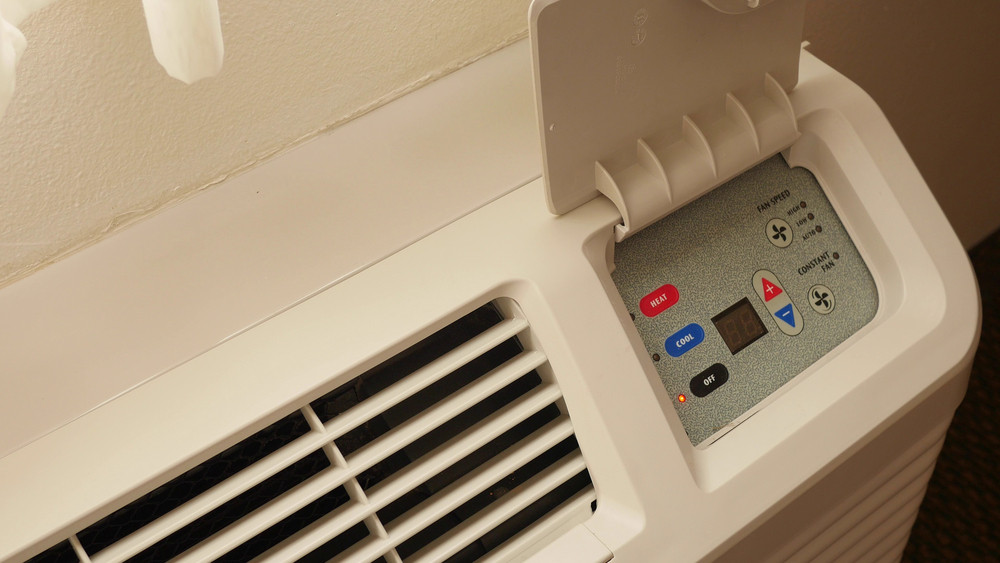
Smart home technology has transformed the way we interact with our living spaces, providing convenience and efficiency. However, the energy consumption of these smart devices remains a significant concern, particularly the HVAC systems used for heating and cooling. In this article, we will delve into why these systems are responsible for a substantial portion of our energy use and how this battery drain can be managed.
Understanding HVAC’s Energy Consumption
In the realm of smart home technology, the usage of energy-efficient appliances is paramount. Heating, Ventilation, and Air Conditioning (HVAC) systems, despite their advances, continue to be the primary culprits of energy consumption in households. According to WifiTalents, about 50% of the energy used in the average U.S. home is consumed by heating and cooling systems. This statistic underscores the necessity for homeowners to pay attention to these systems.
The prominent role played by HVAC in energy use is mainly due to its operational demands. These systems need to maintain constant temperatures throughout the day and night, which requires a considerable amount of power. The demand escalates with fluctuating weather conditions, making them a constant drain on energy resources. For smart home enthusiasts, this means balancing technology advancement with efficient energy use.
Exploring available technology solutions can help optimize the functionality of HVAC systems. Smart thermostats, for example, offer improved control and efficiency, potentially reducing excessive energy consumption. They adapt to your habits, schedule, and preferences, offering a seamless integration with other smart devices in the home.
The Impact of Water Quality on HVAC Efficiency
Beyond the technological advances in smart home systems, the quality of resources at your disposal plays a crucial role. Water quality, in particular, has a noticeable impact on HVAC efficiency. According to the Water Quality Association, hard water corrosion can lead to as much as a 48% loss in the efficiency of water heaters over their lifetime. This corrosion results in scale build-up, which decreases the system’s ability to effectively heat water.
For smart homes that rely heavily on technology, maintaining water quality is vital in preserving the efficiency of various appliances. Hard water not only affects water heaters but also clogs pipes and reduces the lifespan of washing machines and dishwashers. Technology solutions like water softeners and filtration systems can mitigate these issues by preserving appliance efficiency and prolonging lifespan.
Technology integration in water quality management has made it easier for homeowners to monitor and adjust their resources. Smart water systems provide real-time insights into water quality, allowing for proactive measures to be taken that prevent potential energy losses across appliances.
Optimizing Energy Use with Smart HVAC Systems
To tackle the high energy consumption of HVAC systems, advancements in smart technology have introduced numerous innovations. For instance, many smart home users have embraced the automation capabilities of smart thermostats. Integrated with a central home system, these devices regulate temperature more efficiently while providing data for better energy management. These advancements are crucial, especially since, according to Consumer Reports, a typical car AC system cools air down to 38 degrees, demonstrating the energy demands of cooling systems.
Incorporating sensor technology into HVAC systems allows them to adapt to changes in the environment more effectively. Sensors can detect occupancy, external weather conditions, and even indoor air quality, offering precise control and reducing unnecessary energy use. This direct application of technology ensures that energy efficiency is not just a passive benefit but an active approach towards smarter home management.
The implementation of advanced technology in HVAC management ultimately focuses on sustainability. With energy costs continually rising, smart home technology provides an opportunity for innovation that aligns operational efficiency with economic savings. By using technology to monitor and manage HVAC systems, households can maintain comfort without compromising efficiency.
As smart homes continue to incorporate the latest technology, managing energy consumption becomes ever more critical. HVAC systems, being significant energy users, benefit immensely from smart innovations that increase their efficiency. Whether by installing smart thermostats or improving water quality, every effort made towards optimizing these systems contributes greatly to sustainability and economic efficiency.
Through the integration of technology and thoughtful energy management practices, the impact of HVAC systems on energy use can be mitigated. This not only benefits the environment but also provides homeowners with tangible cost savings over time. By understanding and addressing the energy demands of HVAC systems, smart home technology can be both efficient and environmentally friendly.