Industrial technology continues to transform how companies approach safety, efficiency, and equipment performance across multiple sectors. From manufacturing facilities to transportation systems and pipeline infrastructure, modern innovations are helping businesses reduce risk while improving productivity. Advanced materials, monitoring systems, and workplace safety practices are now essential components of industrial operations. As industries continue to evolve, companies are increasingly investing in technologies that support both worker protection and long-term operational reliability.
Lightweight Materials Improve Equipment Efficiency
One of the most significant developments in industrial engineering involves the use of lighter and stronger materials in transportation and machinery systems. Manufacturers are increasingly replacing heavier steel components with lighter alternatives to improve performance and reduce strain on equipment. The U.S. Department of Energy reports that replacing heavy steel parts can reduce a vehicle’s weight by anywhere from 10% to 60%. In some applications, switching to an aluminum driveshaft alone may reduce vehicle weight by approximately 10 to 20 pounds.
Reducing weight can lead to several operational benefits. Lighter equipment often experiences less stress during operation, which may improve fuel efficiency and reduce wear on surrounding components. In transportation and industrial machinery, lightweight materials can also support improved handling, faster response times, and reduced energy consumption. These advantages make modern material selection an important factor in industrial design and long-term performance planning.
Welding Safety Technology Protects Workers
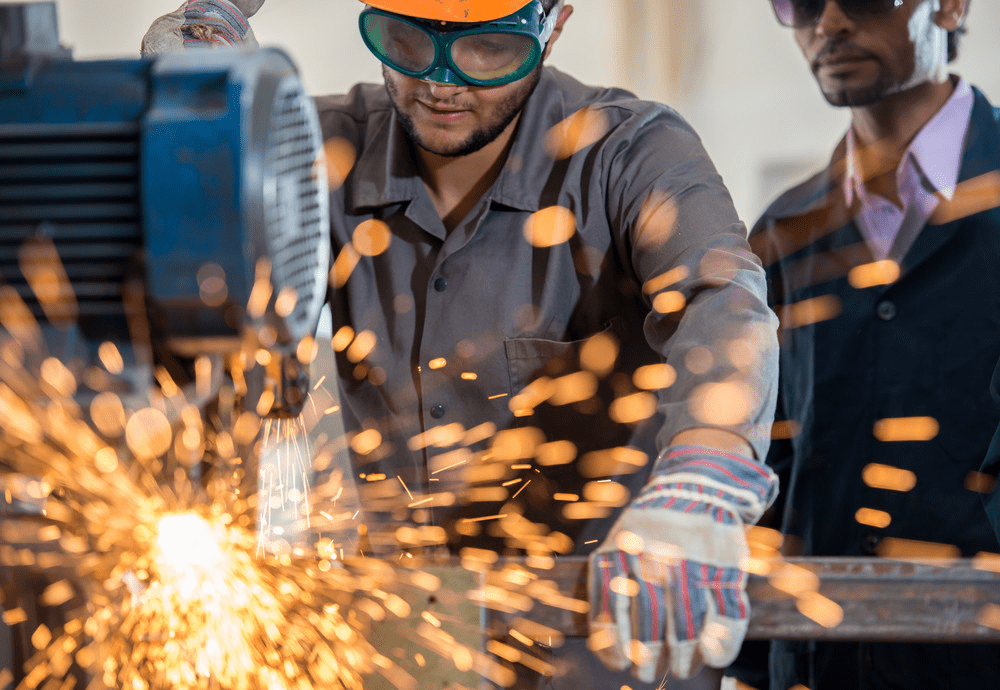
Industrial fabrication environments also rely heavily on safety technology and proper workplace procedures to protect employees from hazards. Welding operations remain a critical part of manufacturing and metal fabrication, but they can also expose workers to dangerous conditions if safety measures are not properly implemented.
One major concern during welding is hot spatter, which can travel surprisingly far from the active work area. In some cases, dangerous welding spatter may reach distances of up to 35 feet, creating potential risks for burns, eye injuries, and workplace fires. Because of this, modern fabrication facilities often invest in protective barriers, personal protective equipment, ventilation systems, and advanced training programs to improve safety standards.
Technology also plays a growing role in reducing welding-related risks. Automated welding systems and robotic fabrication equipment can help minimize direct worker exposure to hazardous environments while improving precision and consistency. At the same time, digital monitoring tools allow supervisors to maintain better oversight of workplace safety conditions and equipment performance. These improvements help create safer environments without sacrificing production efficiency.
Continuous Monitoring Supports Pipeline Safety
Modern industrial infrastructure increasingly depends on real-time monitoring systems to maintain safety and reliability. Pipeline operations, in particular, require constant oversight because even minor pressure fluctuations or leaks can create significant operational and environmental concerns.
According to the Pipeline Association for Public Awareness, pipeline pressure is monitored continuously, 24 hours a day, every day. This level of monitoring helps operators quickly identify irregularities and respond before small issues become major failures. Advanced sensors, automated alert systems, and remote monitoring technologies now allow industrial facilities to collect large amounts of operational data in real time.
Continuous monitoring not only improves safety but also supports predictive maintenance strategies. Instead of waiting for equipment failures to occur, companies can use data analytics to identify potential problems early and schedule maintenance more efficiently. This approach helps reduce downtime, lower repair costs, and improve the overall reliability of industrial systems.
The integration of smart monitoring technology has become especially valuable in industries where infrastructure reliability is critical. From oil and gas operations to manufacturing facilities, real-time monitoring systems are helping companies maintain compliance, protect workers, and improve operational performance.
Modern industrial technology is reshaping how companies approach safety, maintenance, and performance across a wide range of industries. Lightweight materials are helping improve efficiency and reduce equipment strain, while advanced welding safety practices are protecting workers in fabrication environments. At the same time, continuous monitoring systems are giving industrial operators greater control over critical infrastructure and helping prevent costly failures.
As industrial operations continue to become more advanced, the demand for smarter and safer technologies will likely continue to grow. Businesses that invest in modern engineering solutions and proactive safety systems are often better positioned to improve productivity while maintaining reliable and secure operations.