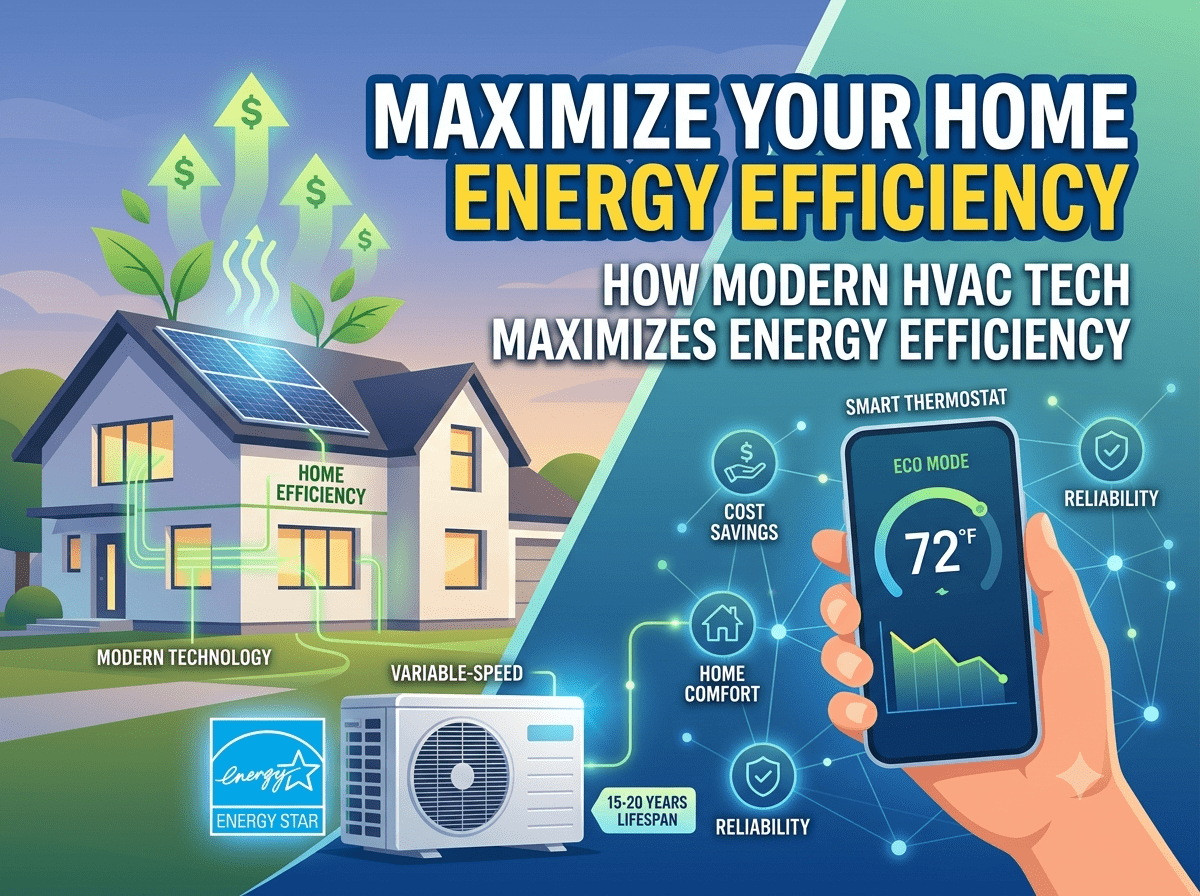
Have you ever reviewed your monthly utility bill and wondered why it seems to steadily climb higher each summer and winter? It is a common frustration for many homeowners, and often, the primary culprit is how we heat and cool our living spaces. We tend to take our indoor climate control for granted until temperatures reach extremes or costs become unsustainable. Fortunately, climate control technology has advanced significantly in recent years. Upgrading your system is no longer just about ensuring year-round comfort; it is fundamentally about maximizing your home’s energy efficiency and managing your household expenses more effectively.
The Hidden Cost of Aging Equipment
It is quite easy to fall into the mindset of ignoring major household appliances as long as they appear to be functioning normally. You might assume your current setup is perfectly fine if cold air continues to flow through the vents during the summer months. However, beneath the surface, older equipment must work significantly harder to achieve the exact same results as newer models, which ultimately ends up costing you much more in daily electricity usage. In fact, according to Home Depot, HVAC systems older than 10 years don’t meet the same energy-efficiency standards as modern units. Because technological innovations and regulatory requirements evolve so rapidly, a system installed just a decade ago operates under outdated parameters that consume excessive power. Today’s modern technology utilizes sophisticated variable-speed motors and smart thermostats that adjust dynamically to your daily routine, ensuring your system uses only the precise amount of energy required to maintain your desired ambient temperature without overworking.
Why High-Efficiency Models Make a Noticeable Difference
When you begin researching replacement options for your aging unit, you will likely encounter various technical terms and recommendations from local contractors, particularly regarding high-efficiency ratings and features. It can be slightly overwhelming to determine if a larger upfront investment is genuinely beneficial and cost-effective for your household. The short answer is an absolute yes, as the long-term operational savings begin to accumulate quickly during peak heating and cooling seasons. To illustrate the tangible financial benefits of these upgrades, according to Gitnux industry data, high‑efficiency air conditioners with ENERGY STAR ratings use about 8% less energy than standard models. While that specific percentage might appear somewhat modest initially, over the course of a long and demanding climate season, it translates to a highly measurable reduction in both your household’s carbon footprint and your monthly utility costs. These advanced systems feature superior coil designs, highly efficient dual-stage compressors, and improved overall structural sealing to prevent unnecessary energy waste throughout the entire house.
Enjoying Long-Term Reliability and Home Comfort
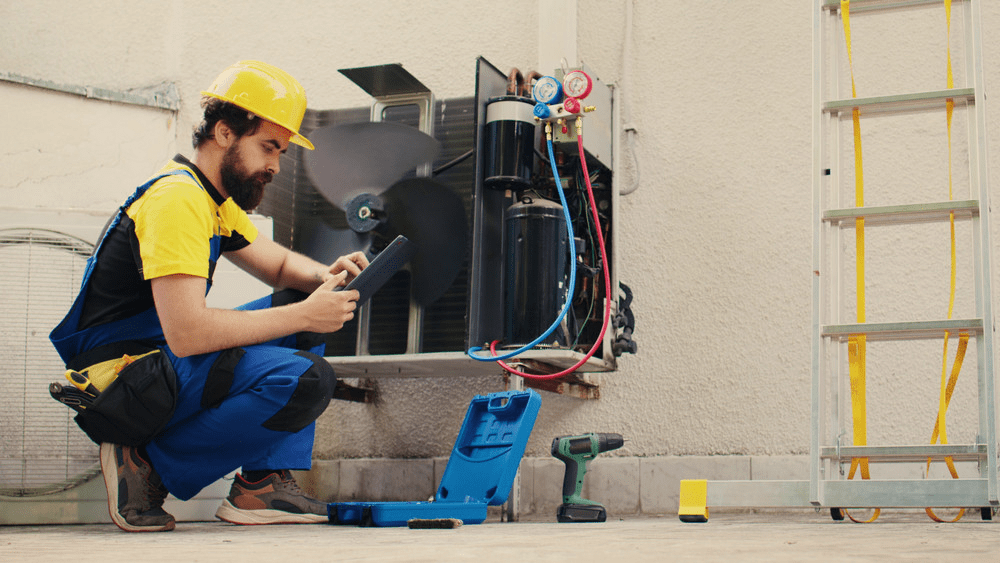
Upgrading your home’s central heating and cooling technology is undeniably a significant financial commitment. Therefore, it is entirely understandable to question the longevity of such an investment before needing to go through the replacement process all over again. The remarkable advantage of contemporary engineering is that these units are constructed to be exceptionally durable and intelligent, often capable of self-monitoring and alerting you to minor operational issues before they ever escalate into catastrophic, costly failures. By maintaining a consistent schedule of professional check-ups, you secure an impressive lifespan for your new equipment. Interestingly, according to This Old House, a new HVAC system can last 15–20 years when properly maintained. That provides you with nearly two full decades of optimized indoor comfort, reliable daily performance, and sustained reductions in your utility expenses.
Transitioning to modern heating and cooling technology is one of the most practical and financially sound upgrades you can make for your property. It transforms your residence into a highly efficient, environmentally conscious, and consistently comfortable space for your entire family to enjoy. While the initial purchasing decision requires careful budgeting and consideration, the ongoing energy savings, remarkably quiet operation, and dependable performance make it a wise choice over the long term.