Pest control has come a long way from simply placing traps or applying treatments when an infestation becomes obvious. Today, digital tools are helping pest management professionals identify problems earlier, monitor pest activity more closely, and make treatment decisions based on better information. From smart monitoring devices to digital mapping and data analysis, technology is making pest control more precise and efficient.
In this article, we’ll explore how digital tools are changing pest management, improving monitoring, supporting mosquito control, and helping professionals respond to pest problems more effectively.
Digital Monitoring Helps Detect Pest Activity
One of the biggest advantages of digital pest control technology is improved monitoring. Traditional inspections often depend on periodic visits, meaning pest activity can develop between appointments without being noticed. Digital monitoring devices can provide a more continuous picture of what is happening.
Connected traps and sensors can detect pest activity and send alerts when certain thresholds are reached. Instead of checking every monitoring station manually, pest professionals can identify locations that require attention and prioritize them. This can reduce unnecessary inspections while helping technicians respond more quickly when activity is detected.
Digital records can also make it easier to compare pest activity over time. By tracking where and when pests appear, professionals can identify patterns and determine whether a treatment is working as intended.
Technology Makes Termite Inspections More Precise
Termites can be particularly challenging because much of their activity occurs out of sight. Digital inspection tools can help technicians gather more information about structures and potential termite activity without relying solely on visible signs.
Thermal imaging cameras, moisture meters, digital inspection reports, and other technologies can help professionals investigate areas that may otherwise be difficult to evaluate. Digital photographs and detailed reports can also document conditions before and after treatment, creating a clearer record for property owners.
Understanding termite biology remains important, too. The queen is the largest termite, with wings nearly twice as long as her body. The king is much smaller. Swarmers have long, dark brown bodies and translucent, light brown wings, with bodies typically measuring about ¼ to ½ inch. Recognizing these characteristics alongside digital inspection information can help professionals distinguish termite activity from other insects.
Data Helps Identify Pest Patterns
Digital pest management is not just about using new devices. The information collected by those devices can be just as valuable. Pest professionals can use software to organize inspection results, treatment histories, customer information, and monitoring data.
Over time, this information can reveal recurring patterns. For example, pest activity may increase during certain seasons or occur repeatedly around particular parts of a property. Technicians can use these insights to develop more targeted treatment strategies rather than approaching every pest problem in exactly the same way.
Digital mapping can also help professionals visualize where pest activity is concentrated. This can be especially useful for larger commercial properties where checking every area with equal frequency may not be practical.
Digital Tools Support Mosquito Management
Mosquito control is another area where technology can make a meaningful difference. Digital scheduling systems, mapping tools, weather data, and monitoring technology can help pest professionals plan services around conditions that influence mosquito activity.
The demand for effective mosquito management is also significant. According to Pest Management Professional, 35% of surveyed pest management professionals project that their mosquito management revenue will increase by 25% or more in 2026. This expectation highlights the importance of efficient tools and strategies as mosquito management needs continue to grow.
Technology Can Improve Customer Communication
Digital tools can improve the customer experience as well. Pest control companies can use mobile applications, digital reports, automated reminders, and online service records to keep customers informed.
Instead of relying on paper documentation, customers may receive detailed information about inspections, treatments, recommendations, and follow-up appointments electronically. This makes it easier to understand what work was completed and what steps may be recommended next.
Technology can also help businesses maintain consistent service schedules. Automated reminders and digital scheduling reduce the possibility of missed appointments while helping technicians manage their workloads more efficiently.
An Evolving Approach to Pest Control
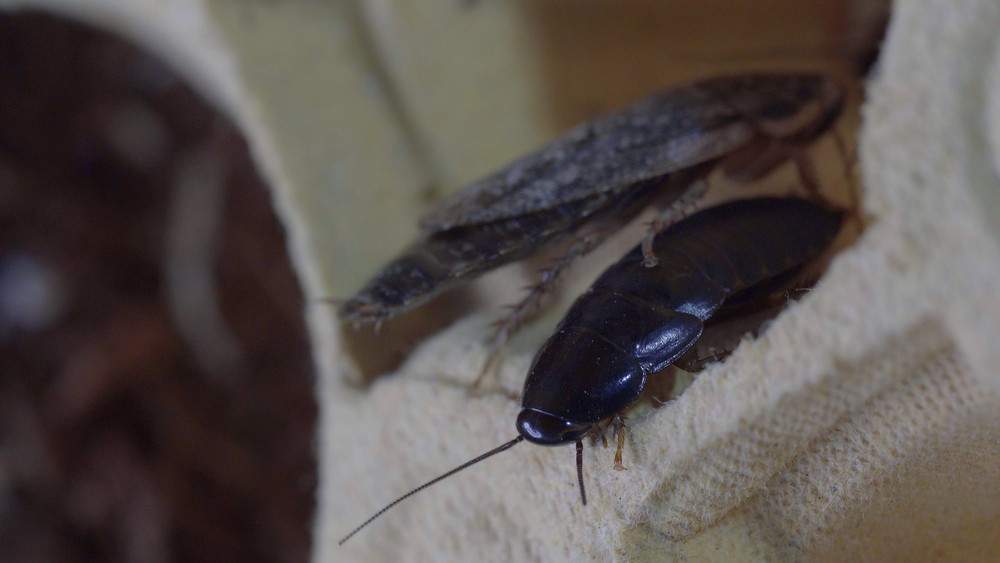
Pests themselves may be ancient. Cockroaches, for example, are one of the oldest insects on Earth, with ancestors dating back more than 320 million years. Modern pest control, however, continues to evolve through technology.
Digital monitoring, data collection, mapping, imaging, and communication tools are giving pest professionals more ways to understand infestations and respond strategically. While technology does not replace professional knowledge and experience, it can provide valuable information that supports better decisions.
As digital tools continue to advance, pest control is likely to become increasingly focused on early detection, targeted treatments, ongoing monitoring, and data-driven prevention. This combination of technology and professional expertise can help make pest management more efficient while providing property owners with greater visibility into the health and safety of their spaces.