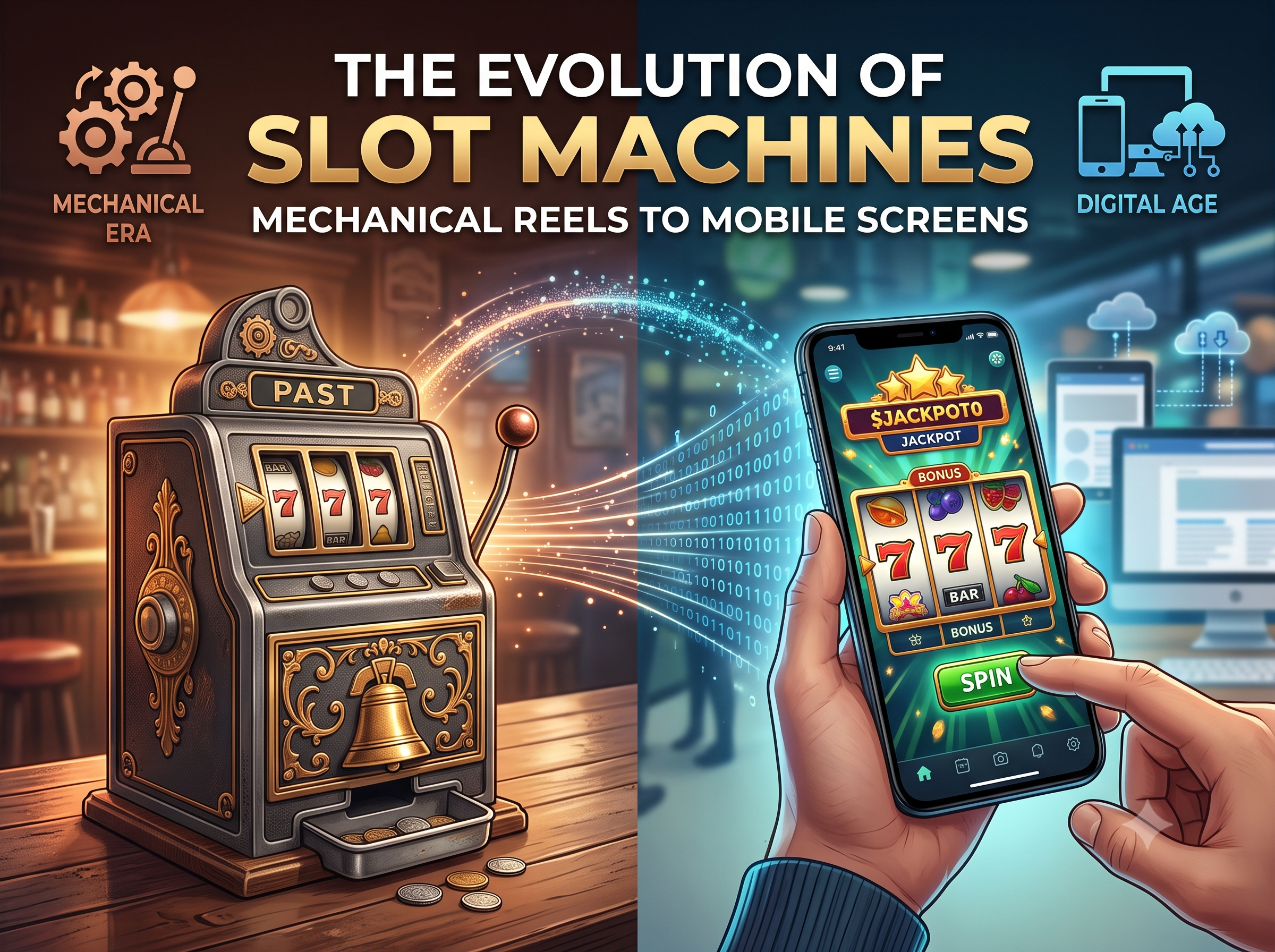
Few forms of entertainment technology have evolved as dramatically as the slot machine. What began as a simple mechanical device in the late nineteenth century has transformed into a sophisticated digital experience accessible from computers, tablets, and smartphones around the world. Today, online slots represent the latest chapter in a story shaped by innovation, changing consumer habits, and advances in technology.
Understanding how slot machines developed over time provides valuable insight into the broader evolution of digital gaming and entertainment.
The Birth of the Slot Machine
The origins of the slot machine can be traced back to the 1890s when inventor Charles Fey created the Liberty Bell machine in San Francisco. Unlike earlier gambling devices that required complex mechanisms, the Liberty Bell featured three spinning reels and a straightforward payout system, making it easier for players to understand and use.
The machine’s simplicity contributed to its popularity. Players pulled a lever, watched the reels spin, and received prizes when matching symbols appeared. This basic concept would become the foundation for generations of slot machines that followed.
As demand grew, similar machines began appearing in bars, hotels, and entertainment venues. The slot machine quickly became one of the most recognisable forms of gaming equipment worldwide.
The Rise of Electromechanical Technology
For much of the early twentieth century, slot machines relied entirely on mechanical components. However, significant changes arrived during the 1960s with the introduction of electromechanical technology.
These machines still featured spinning reels but incorporated electrical systems that enabled more advanced gameplay features. Operators could offer larger jackpots, automatic payouts, and a wider range of symbol combinations.
The transition to electromechanical systems marked an important turning point. It demonstrated how technology could enhance the user experience while preserving the familiar gameplay mechanics players already enjoyed.
The Digital Revolution Changes Everything
The 1980s and 1990s brought the next major transformation. Advances in computer technology allowed manufacturers to replace physical mechanisms with software-driven systems.
Video slot machines introduced digital displays that could simulate spinning reels while adding entirely new gameplay possibilities. Developers were no longer limited by the constraints of mechanical engineering. Instead, they could create bonus rounds, animated features, themed adventures, and interactive experiences.
This period also saw gaming become increasingly focused on entertainment value rather than simply reproducing traditional slot machine mechanics. Graphics improved, audio became more immersive, and gameplay became more varied.
Internet Technology Opens New Possibilities
The growth of internet access fundamentally changed how people engaged with digital entertainment. As online platforms developed, many traditional gaming experiences were adapted for web-based audiences.
The emergence of online slots allowed users to access digital versions of classic reel-based games without visiting physical venues. Software developers expanded their offerings to include thousands of themes, visual styles, and game mechanics designed specifically for online environments.
This shift represented more than a change in delivery method. It enabled developers to innovate faster, update content regularly, and introduce features that would have been difficult or impossible to implement on traditional machines.
Mobile Gaming and Accessibility
The widespread adoption of smartphones accelerated the industry’s digital evolution even further. Mobile technology enabled users to access entertainment wherever internet connectivity was available.
Developers redesigned games for smaller screens, optimised touch controls, and improved platform compatibility. These changes helped create seamless experiences across multiple devices.
As mobile technology became more powerful, game quality continued to improve. High-definition graphics, advanced animations, and faster processing capabilities brought a level of sophistication previously associated only with desktop systems.
The Role of Software Innovation
Modern digital gaming relies heavily on software development. Random Number Generators (RNGs), cloud technology, improved server infrastructure, and advanced graphical engines all contribute to today’s user experience.
Developers can now launch new themes, gameplay mechanics, and interactive features at a much faster pace than during the mechanical era. Seasonal updates, innovative bonus structures, and storytelling elements have expanded what digital slot-based entertainment can offer.
The result is an experience that has evolved far beyond the original three-reel machine that first appeared more than a century ago.
Looking Ahead
Technology continues to shape the future of digital gaming. Developments in artificial intelligence, virtual reality, augmented reality, and immersive design could influence the next stage of evolution.
While no one can predict exactly what future experiences will look like, history suggests that innovation will remain a driving force. Each generation of technology has transformed the way people interact with games, and upcoming advancements are likely to continue that trend.
Conclusion
From the mechanical Liberty Bell to modern mobile experiences, slot machines have undergone an extraordinary transformation. The journey reflects broader developments in technology, entertainment, and consumer behaviour. As digital innovation continues to progress, online slots remain a fascinating example of how traditional forms of entertainment can adapt and evolve to meet the expectations of new generations.