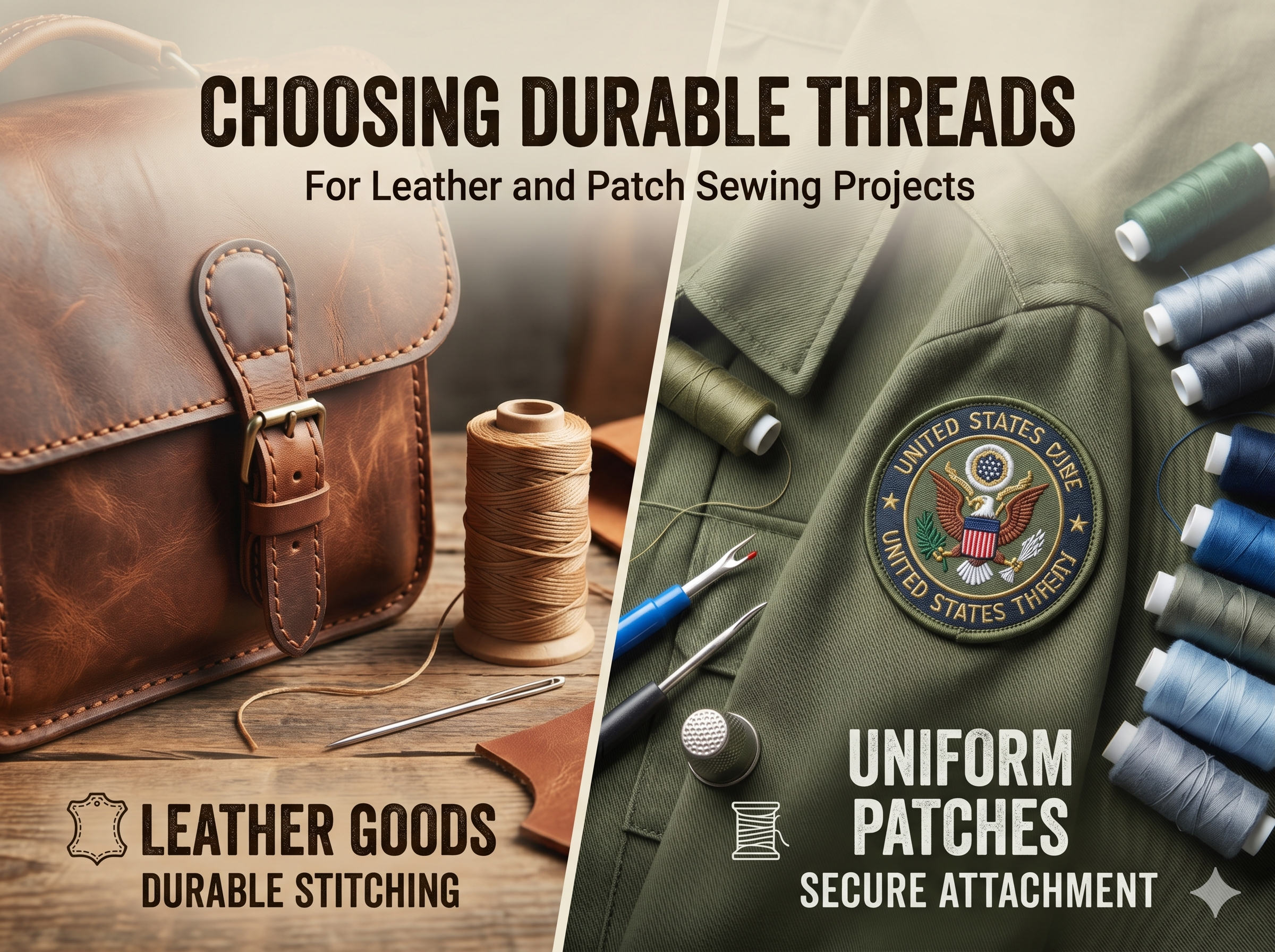
Choosing the right thread for sewing leather goods and uniform patches is crucial for ensuring durability and longevity. The strength of the thread directly impacts the final product’s quality; for example, strong sewing threads for leather goods and uniform patches contribute to enhanced resistance against daily wear and tear. This article explores key considerations when selecting strong sewing threads for leather items and patches, providing valuable insights for enthusiasts and professionals alike.
The importance of thread strength in leather goods
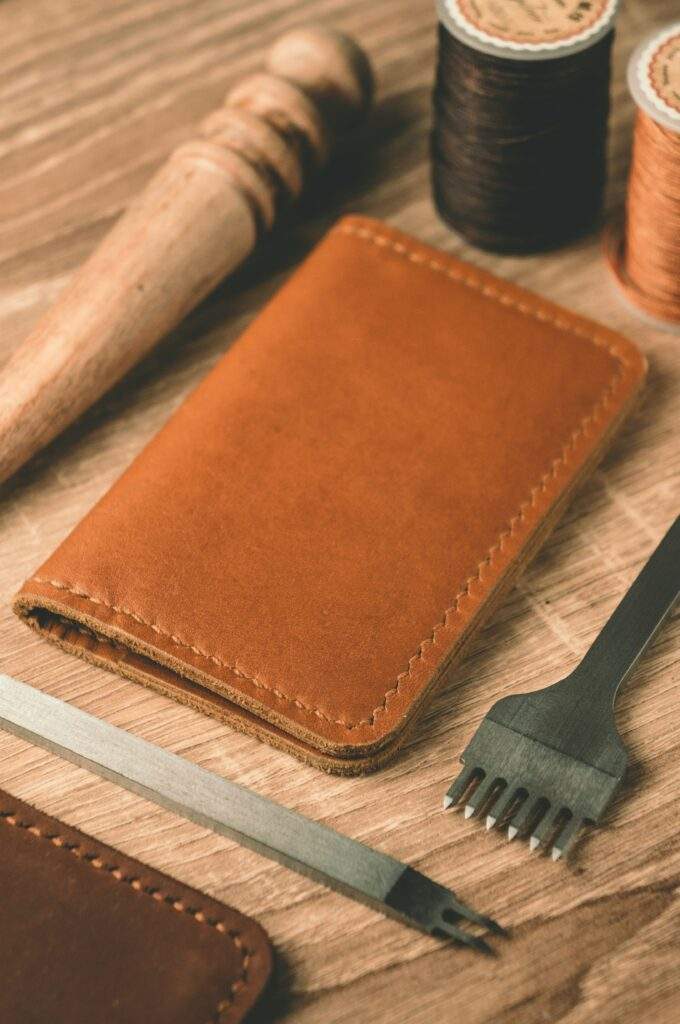
Threads used in leather work need exceptional tensile strength due to the material’s thickness and resistance. Leather goods, such as bags, belts, and shoes, often endure high levels of stress during use. Therefore, choosing a durable thread ensures these products maintain their integrity over time, especially when using strong sewing threads for leather goods and uniform patches. For those crafting leather items, synthetic threads like nylon or polyester are popular choices due to their robustness.
Nylon threads offer excellent elasticity, which helps absorb tension without snapping. Meanwhile, polyester threads provide UV resistance and are less likely to degrade under sunlight exposure. When selecting a thread type, consider factors such as:
- Material compatibility with leather
- Resistance to environmental conditions
- Tensile strength requirements
These elements play significant roles in determining the best thread for specific applications. While natural fibers like cotton may be appealing aesthetically, they generally lack the durability required for heavy-duty use.
Selecting threads for uniform patches
Sewing uniform patches involves different challenges compared to leatherwork. These patches must remain securely attached through frequent washing and wear. Hence, strong sewing threads are vital to ensure long-lasting results on uniforms. Polyester is typically favored here because of its resilience against moisture and heat.
Apart from material choice, it’s essential to consider the thread’s thickness. Thicker threads offer more substantial hold but may not always suit all patch designs. Conversely, thinner threads blend more seamlessly into fabric but might compromise attachment strength if not selected carefully.
When attaching patches, some key considerations include:
- Patch design complexity (influences thread visibility)
- Fabric type of the uniform (affects adhesion)
- Laundry care instructions (determines durability needs)
The goal is achieving an optimal balance between aesthetic appeal and functional reliability when choosing threads for this purpose.
Balancing aesthetics and functionality
The ideal thread choice balances both aesthetic qualities and functional demands of the project at hand. In many cases, this means compromising slightly on one aspect to fully meet another priority requirement – whether it’s color matching or tensile strength assurance.
A well-chosen thread enhances both visual appeal and product performance, leading to greater satisfaction with finished creations. For instance, using contrasting colors can highlight stitching patterns beautifully on certain leathers while opting for matching hues keeps patch seams discreetly hidden within uniform fabrics.
Crafters should also pay attention to needle size compatibility when working with various threads; mismatched pairings could lead either to stitch breakage or damage during sewing processes.
In conclusion, understanding how each type of thread performs under different circumstances enables more informed decisions tailored precisely towards desired outcomes across diverse projects involving leather goods or uniform patches alike. Thus, strong sewing threads for leather goods and uniform patches serve as a reliable choice for diversified applications.