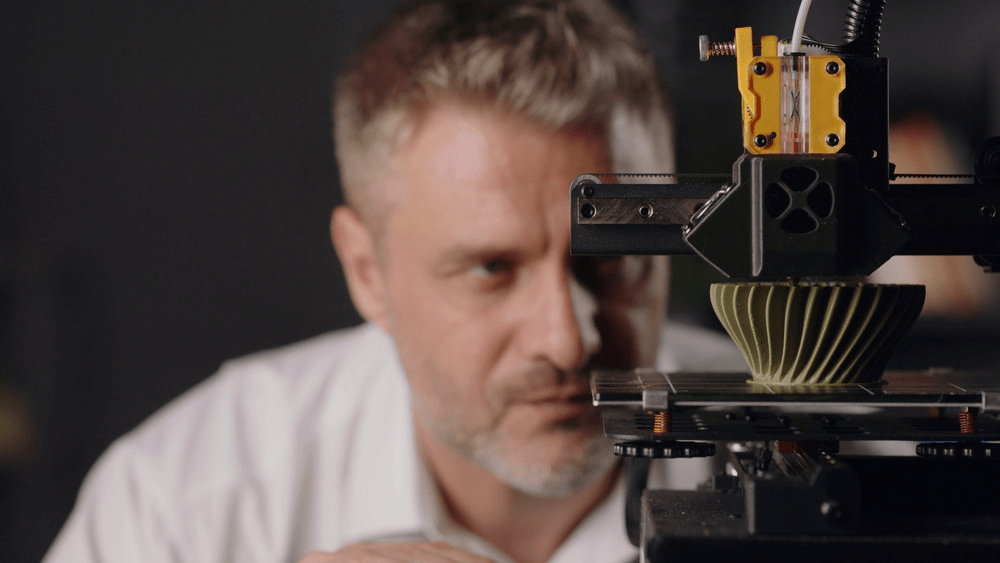
Technology has changed far more than the computers and software used in modern offices. It has transformed how physical products are imagined, designed, manufactured, tested, and maintained. Processes that once depended heavily on manual labor can now be supported by sophisticated machinery, digital modeling, sensors, and data analysis.
These changes can help businesses produce more consistent results while identifying potential problems before they become costly. From customized products to electrical infrastructure and industrial equipment, technology has created new ways to approach challenges that previously required considerably more time and hands-on work.
From Handcrafted Products to Digital Manufacturing
Manufacturing technology has made it possible to produce customized items at a much greater scale. Instead of relying entirely on skilled workers to complete every detail by hand, businesses can use computerized equipment to reproduce designs consistently across large production runs.
One example can be found in embroidery. Computerized embroidery equipment helped make mass production of patches possible during the 20th century, taking the place of traditional hand-stitched production methods, according to Wikipedia. The development illustrates how automation can change an entire production process without eliminating the creative element behind the finished product.
Today, digital design software can allow a manufacturer to create and modify a product before physical production begins. A digital file can contain precise information about shapes, dimensions, patterns, and other specifications. Once approved, that information can be transferred to compatible machinery that produces the physical item.
This approach can be particularly valuable when customers want customized products. Digital files can be adjusted without requiring an entirely new manual process for every variation. A business producing branded apparel, promotional products, signage, or specialty components can potentially handle a wider range of designs while maintaining greater consistency.
Technology also makes it easier to identify design problems earlier. Digital previews and computer-aided design tools can give manufacturers an opportunity to examine an item before committing materials and labor to production. That can reduce unnecessary waste and make revisions easier.
Using Technology to Monitor Infrastructure
Digital technology isn’t limited to manufacturing facilities. It is also changing how businesses and utilities inspect physical infrastructure and identify potential hazards.
Power distribution systems provide a useful example. Trees and other vegetation can interfere with overhead electrical lines, creating maintenance challenges and potentially contributing to outages. Vegetation coming into contact with distribution lines is responsible for nearly 25 percent of power outages in the United States, according to Electrical Contractor.
Modern data-collection technology can help utilities identify areas where vegetation may present a problem. Instead of depending exclusively on workers to inspect every section of a large network, organizations can combine aerial imagery, satellite information, and LiDAR data to create a more detailed picture of infrastructure and its surroundings.
LiDAR technology uses laser pulses to collect information about physical environments. When combined with other data sources, it can help identify the distance between vegetation and electrical infrastructure. This information can support maintenance planning and help crews prioritize areas that require attention.
The broader lesson applies to many industries. Digital monitoring can provide information that isn’t always easy to obtain through conventional inspections. Businesses responsible for roads, pipelines, buildings, utility systems, and other large physical assets can use technology to collect and analyze information across extensive areas.
Designing Products Around Real-World Conditions
Modern engineering also depends on technology to determine how physical products and equipment will perform under demanding conditions. A product may look perfect in a digital model, but engineers must consider what happens when it encounters pressure, temperature changes, vibration, and other forces during actual operation.
Design pressure is one of the specifications engineers consider when developing equipment that operates under pressure. It represents the pressure and temperature conditions equipment is designed to withstand during normal operation, with an additional margin commonly ranging from 10% to 25% above operating pressure, according to LinkedIn.
Accounting for these conditions during the design stage can help engineers develop equipment that is appropriate for its intended environment. Computer modeling and simulation tools can make it possible to evaluate how different materials, dimensions, and configurations may respond to expected operating conditions.
These technologies can also support testing and quality control. Digital systems can track measurements, compare results against specifications, and document production information. When something doesn’t meet the required parameters, manufacturers may be able to identify the issue more quickly and determine where changes are needed.
Technology has therefore become an important link between an initial idea and a finished physical product. Digital manufacturing, advanced monitoring, and engineering software are giving businesses new ways to create products, manage infrastructure, and evaluate performance before problems become more difficult to address. As these tools continue to develop, the ability to combine creativity with precise digital information will remain an important part of modern production and engineering.