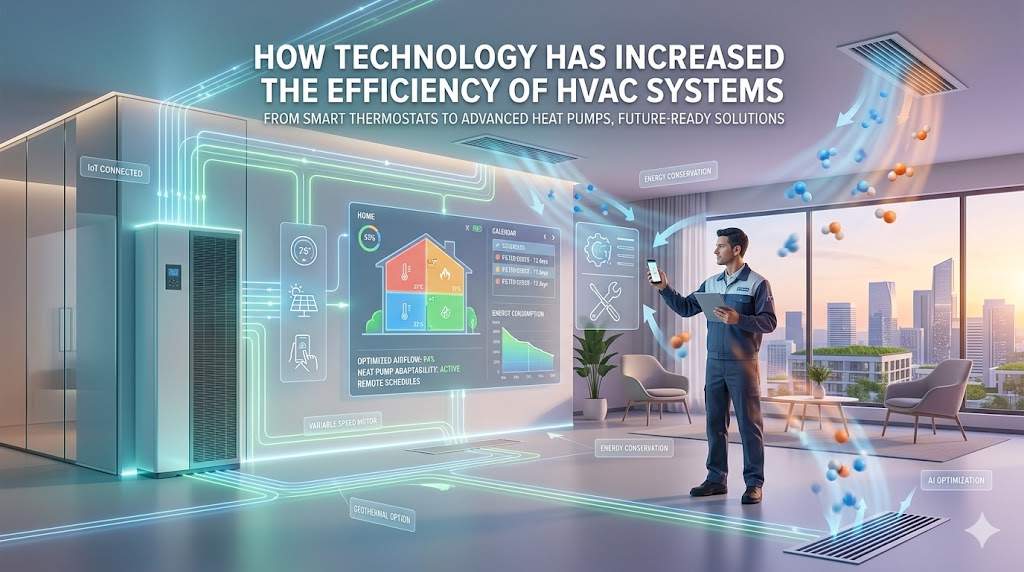
In the increasingly dynamic field of heating, ventilation, and air conditioning (HVAC), technology has emerged as a critical player in enhancing system efficiency. From smart thermostats to advanced heat pumps, technology drives improvements to create more energy-efficient homes and businesses. This article explores the intersection of technology and HVAC, highlighting the advantages these advancements bring to the table.
The Impact of Modern Heat Pumps
Heat pump technology represents a significant leap forward in the realm of HVAC systems. In September 2023, a coalition of 25 U.S. state governors pledged to quadruple the number of heat pumps nationwide by 2030. This initiative, as reported by Consumer Affairs, aims to bolster the adoption of a sustainable heating and cooling solution that stands out for its environmental and efficiency benefits. Heat pumps transfer heat instead of generating it, dramatically reducing energy consumption.
Modern heat pumps are equipped with variable-speed motors, allowing them to operate at different capacities depending on the climate and demand. This adaptability significantly conserves energy and diminishes operational costs. With the push toward increased use of heat pumps, homeowners and businesses can expect lower utility bills alongside reduced carbon footprints.
Heat pumps also contribute to improving air quality by eliminating the need for traditional fossil fuels for heating. They integrate seamlessly with cutting-edge smart home technology, providing users with options such as remote control and scheduling features. High-tech innovations not only offer an efficient way to condition indoor spaces but also support a cleaner, healthier environment.
Optimizing HVAC Systems with Routine Maintenance
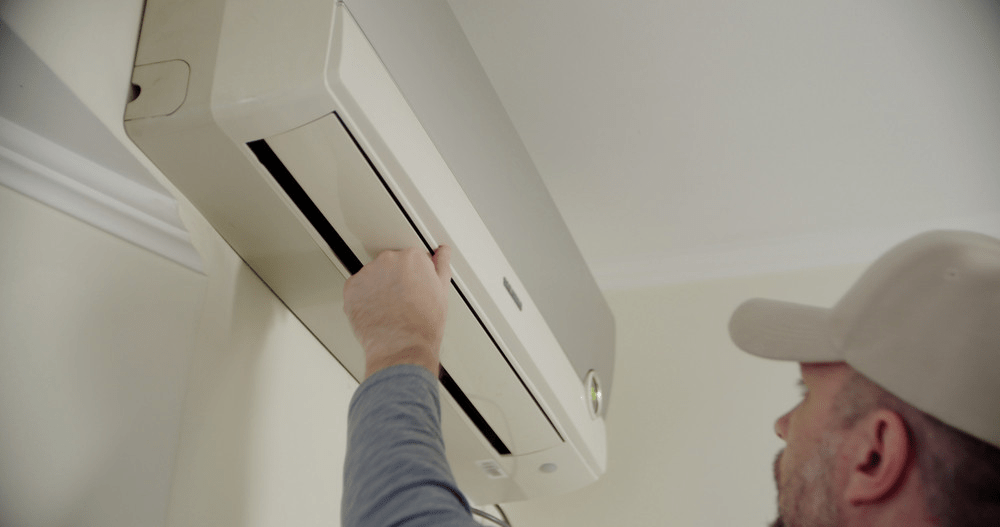
Regular maintenance is pivotal in sustaining the peak performance of HVAC systems. As recommended by industry experts, annual inspections and servicing of air conditioning units can prevent energy wastage and operational inefficiencies. AC maintenance involves cleaning or replacing filters, checking refrigerant levels, and ensuring that all components work harmoniously.
Routine servicing extends the lifespan of HVAC systems, allowing them to function effectively well beyond their anticipated operational period. This is particularly significant because, as per the United States Environmental Protection Agency (EPA), systems over 10 years old should be evaluated by a professional to determine if they require upgrading or replacement. Addressing potential issues promptly ensures that the system remains robust and efficient for years.
Technological advancements have also made maintenance more effective and less intrusive. Today’s HVAC systems come with built-in sensors that monitor performance, alerting homeowners and technicians to potential irregularities. This early-detection capacity not only minimizes downtime but also enhances the system’s safety, reliability, and efficiency.
The Future of HVAC Technology and Sustainability
The future of HVAC systems is inherently tied to advancements in technology and sustainable practices. Energy efficiency remains at the forefront of innovations, with a strong focus on reducing emissions and conserving resources. The integration of renewable energy sources with high-efficiency HVAC systems represents a promising direction for the industry.
Innovative HVAC technologies, such as geothermal heat pumps and solar-powered systems, are becoming more accessible and affordable. These systems capitalize on natural energy sources, significantly reducing the dependency on nonrenewable energy. Their adoption reflects a broader shift towards sustainable building designs and environmentally conscious urban planning.
With continuous research and development focusing on smart systems and automation, the HVAC industry is poised for a transformative era. The integration of the Internet of Things (IoT) will further enhance system capabilities, allowing unprecedented levels of control and efficiency. As these technologies mature, they promise to redefine not just HVAC efficiency but also the broader spectrum of living and working environments.
The integration of technology within HVAC systems has indisputably increased their efficiency and usability. From modernized heat pumps and regular maintenance practices to futuristic sustainable technologies, these advancements demonstrate a powerful synergy between engineering and environmental stewardship. As the HVAC industry evolves, technology will continue to lead the charge toward greater efficiency and ecological responsibility.