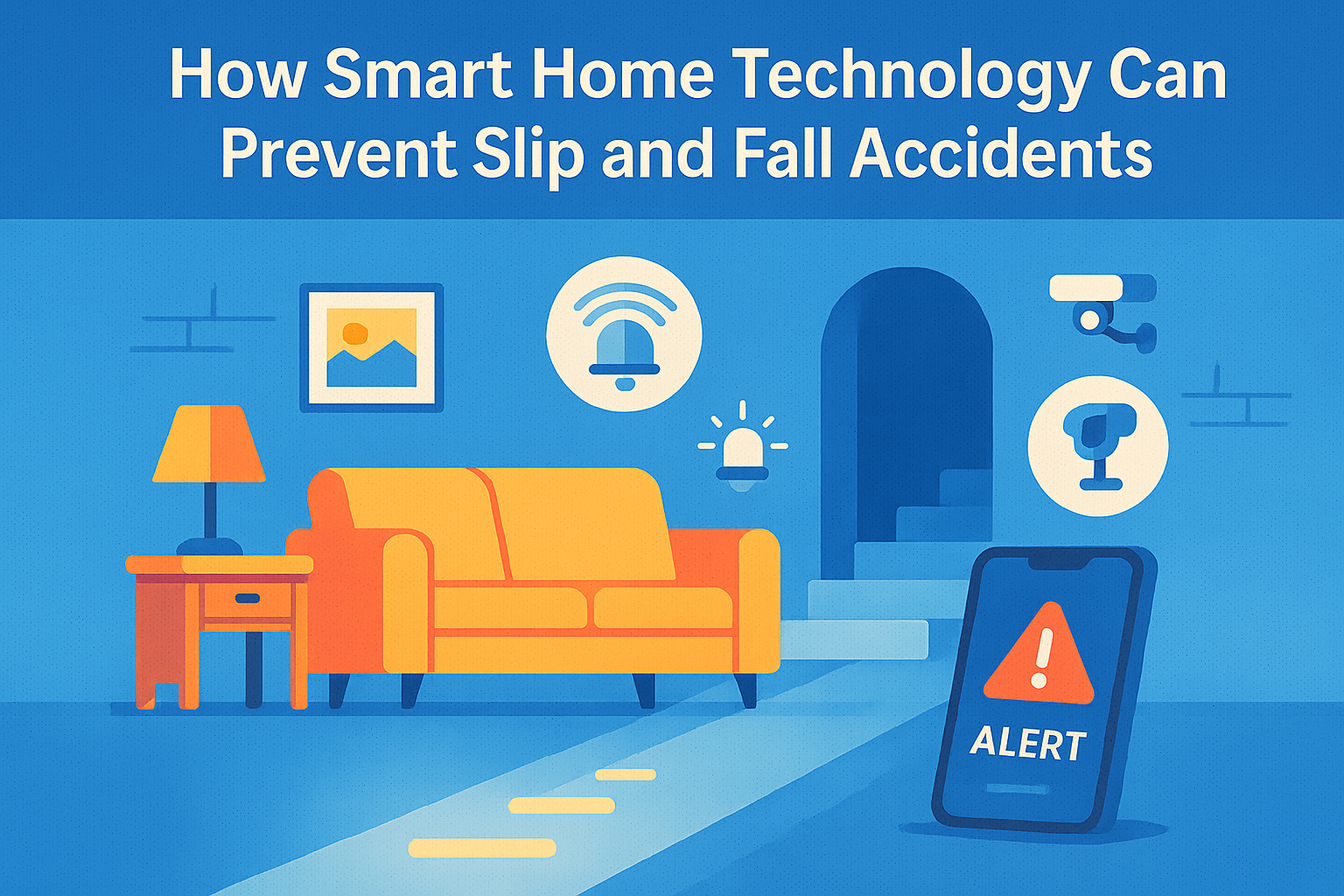
Slip and fall accidents are among the most common injuries people experience at home, and they often happen in places we consider safe. Wet floors, loose rugs, uneven surfaces, and cluttered pathways can all contribute to unexpected falls. For many families, these hazards are hidden in plain sight, quietly waiting to cause accidents that result in injuries ranging from minor bruises to serious fractures. Awareness is the first step in reducing these risks and protecting household members.
Technology has begun to offer practical solutions for these hazards. From floor sensors to smart lighting that illuminates hallways automatically, innovations are helping families anticipate and prevent accidents. Smart cameras and monitoring systems can alert homeowners when someone trips or moves into risky areas, allowing for faster assistance. By combining awareness with technological tools, households can significantly reduce the likelihood of slips and falls and create a safer living environment.
How Slip and Fall Injuries Affect Families
According to one legal team, when a fall happens at home, the consequences extend beyond physical pain. Injuries can lead to medical bills, missed work, and emotional stress for both the injured person and their family. Older adults and children are especially vulnerable, and even minor incidents can disrupt daily routines and household responsibilities. Understanding the real-world impact of these accidents highlights the importance of preventive measures.
Slip and fall incidents often reveal how small oversights can become serious problems. A puddle left after cleaning, a loose rug, or a poorly lit stairway can quickly lead to injury. Families may not always recognize these risks until someone is hurt. Integrating technology into daily home routines allows households to monitor conditions, respond quickly to hazards, and reduce the probability of injury. Preventive measures can help maintain a stable and safe home environment for all residents.
How Smart Technology Supports Safety
Smart home technology is changing the way people manage safety hazards. Motion sensors, automated lighting, and floor pressure monitors can detect potential risks and provide real-time alerts. These systems are particularly useful in areas prone to accidents, such as kitchens, bathrooms, and stairways. By leveraging technology, households gain an additional layer of protection that complements traditional safety measures like rugs, handrails, and non-slip mats.
Beyond detection, smart devices can also guide preventive behaviors. Smart thermostats and moisture sensors, for example, can reduce water accumulation that leads to slippery surfaces. Voice-activated assistants can remind residents to check high-risk areas or clean up spills immediately. By combining automation with timely notifications, technology ensures that safety measures are consistent and proactive, rather than reactive, reducing both injuries and stress for family members.
The Role of Monitoring and Alerts
One of the most valuable aspects of smart home systems is their ability to provide alerts when accidents are likely or have occurred. Floor sensors can identify spills or moisture and send notifications to a phone or home hub. Cameras and smart watches can detect sudden movements associated with falls and automatically call for help. This level of monitoring ensures that accidents are addressed quickly, which can prevent minor injuries from worsening or becoming medical emergencies.
Alerts also provide a sense of reassurance for families caring for vulnerable members, such as seniors or children. Immediate notifications allow caregivers to respond even if they are in another room or away from home. The combination of early warning and rapid response reduces the physical and emotional impact of accidents, while fostering a safer and more confident household environment. Consistent use of monitoring technology enhances overall well-being and reduces the frequency of preventable injuries.
Maintaining Technology for Reliable Safety
Having smart devices is only part of the solution; regular maintenance ensures they function as intended. Batteries must be replaced, software updated, and sensors tested to guarantee accurate alerts. Proper installation and periodic checks maximize effectiveness and reduce the chance of false alarms or missed warnings. Families who actively maintain their technology are more likely to experience reliable safety benefits and fewer incidents of injury.
In addition, integrating multiple devices into a cohesive system increases reliability. For example, linking lighting, cameras, and floor sensors ensures a comprehensive approach to monitoring and prevention. A well-maintained network of smart technology creates a home environment that adapts to hazards and supports safe daily routines. This proactive care not only prevents accidents but also promotes confidence and peace of mind among household members.
Maintaining technology also encourages households to stay engaged with safety practices. Regular interaction with devices reminds residents of the risks in their environment and reinforces habits like keeping floors clear, securing rugs, and checking stairways. Over time, this combination of technology and mindful behavior strengthens the overall culture of safety in the home, ensuring that preventative measures are consistent, effective, and sustainable for everyone living there.
Creating a Safer Home Environment
Smart home technology has transformed how families approach safety and injury prevention. By detecting hazards, sending alerts, and supporting preventive actions, these systems reduce the likelihood of slip and fall accidents. When combined with traditional safety measures, smart devices create a multi-layered approach that protects residents while promoting comfort and convenience.
Investing in smart technology is also an investment in long-term well-being. Families gain confidence that their home environment is actively monitored, reducing stress and enabling residents to focus on daily life. The integration of technology, awareness, and preventive behavior creates a safer, healthier, and more reliable living space. Over time, these systems not only prevent accidents but also cultivate a mindset of vigilance and proactive care, making homes safer for everyone.
A fully engaged household can also expand the role of technology beyond immediate alerts. Families can analyze patterns from smart sensors to identify the most accident-prone areas and times, adjusting habits and safety measures accordingly. Integrating wearable devices or connected appliances further enhances this proactive approach, creating a home ecosystem that anticipates risks and actively reduces hazards. By leveraging technology to continuously improve household safety, residents enjoy long-term protection, peace of mind, and a greater sense of control over their environment.