Technology continues to transform the way homes are designed, constructed, and maintained. From advanced building materials to energy-efficient appliances and smart home systems, modern innovations are giving homeowners and construction professionals new ways to improve residential properties. These developments can make homes more durable, comfortable, and efficient while helping property owners address maintenance needs and manage household expenses. As technology continues to advance, its influence on residential construction and home improvement will likely become even more significant.
In this article, we explore how modern technology is changing construction materials, improving home maintenance, and creating more energy-efficient living spaces.
Advancements in Residential Construction
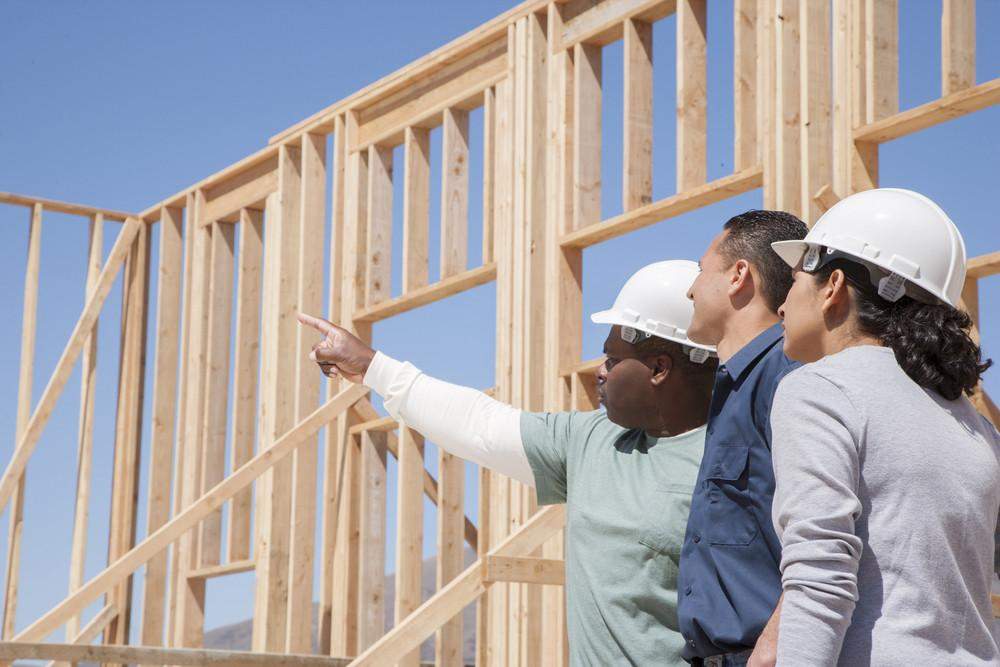
Modern construction technology has changed how builders approach residential projects. Advanced equipment, digital design software, and improved building materials allow construction professionals to plan projects with greater precision and efficiency. These tools can help reduce material waste, improve construction timelines, and support stronger structural designs.
Traditional materials also continue to benefit from modern construction methods. According to the National Association of Home Builders, 30% of homes built in the U.S. in new residential construction utilize masonry as a primary material, particularly for foundations and walls. Improvements in masonry techniques and construction equipment allow builders to work with these materials while meeting modern building standards.
Technology also supports better project planning. Digital modeling tools allow construction teams to visualize building layouts, identify potential design concerns, and coordinate different stages of construction before work begins. This can help reduce unexpected complications and improve communication between contractors, architects, and property owners.
Smarter Approaches to Roof Maintenance
Roofing technology has also changed how homeowners approach property maintenance. Modern inspection equipment, improved roofing materials, and digital documentation tools can help professionals identify potential problems and recommend appropriate repairs. These advancements make it easier to evaluate roof conditions and determine which improvements may help protect a home from weather-related damage.
According to This Old House, over the past three years, nearly 31% of homeowners nationwide have pursued roof renovation, repair, or maintenance projects. This highlights the continued importance of maintaining residential roofing systems. Newer inspection methods can help contractors assess damaged areas, identify deterioration, and provide homeowners with more detailed information about their roofs.
Innovations in roofing materials also provide additional options for residential improvements. Homeowners can consider products designed for durability, weather resistance, and energy performance. When combined with professional installation techniques, these materials can contribute to a more reliable roofing system.
Improving Household Energy Efficiency
Energy efficiency is another area where technology is making a noticeable difference. Modern appliances, upgraded plumbing systems, and smart monitoring devices allow homeowners to better understand how much energy their properties consume. These technologies can help identify inefficient equipment and highlight opportunities to reduce unnecessary energy use.
According to Energy Resource Dynamics, the average American home uses about 58 gallons of hot water per day, which equates to about 10 kWh of energy per day. This demonstrates how everyday household activities can contribute to overall energy consumption. Improvements such as energy-efficient water heaters, better insulation, and advanced temperature controls can help homeowners manage hot water usage and reduce energy demands.
Smart thermostats and connected home systems offer additional ways to monitor household conditions. These devices allow homeowners to adjust temperatures, establish schedules, and track energy usage through connected applications. Having access to this information can make it easier to recognize consumption patterns and make practical adjustments.
The Future of Home Improvement
As technology develops, residential improvements will continue to become more connected and data-driven. Smart security systems, automated lighting, advanced insulation materials, and improved construction equipment are changing expectations for modern homes. These innovations give homeowners more control over their living environments while helping contractors complete projects with greater accuracy.
Digital planning tools can also make renovation projects easier to coordinate. Homeowners may use virtual design platforms to explore different layouts, compare materials, and visualize potential upgrades before committing to construction.
Technology is reshaping residential construction and home improvement through better materials, advanced equipment, and more efficient household systems. From masonry construction and modern roofing inspections to energy-saving appliances and smart home technology, these developments offer practical opportunities to improve residential properties. As new innovations become available, homeowners and construction professionals can use them to create more durable, comfortable, and efficient living spaces.