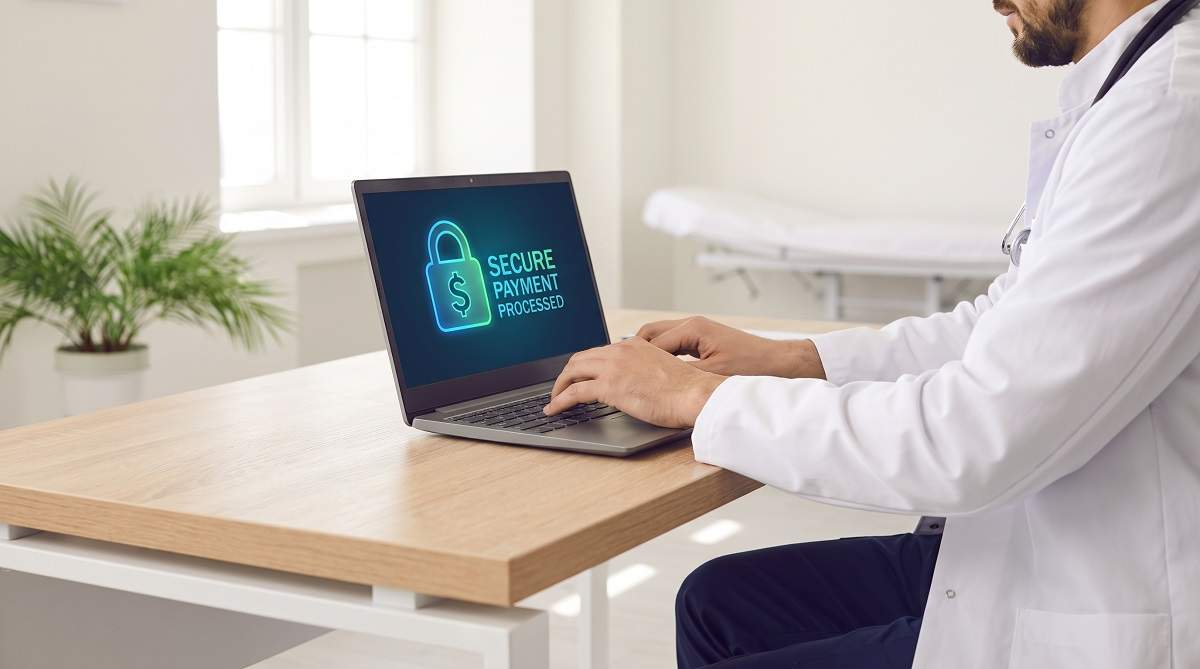
The telemedicine industry has undergone a dramatic transformation over the past several years. What was once considered a supplementary healthcare option has now become a mainstream, high-demand service that millions of patients rely on daily. With this rapid growth comes a set of unique financial and operational challenges — particularly when it comes to processing payments. Unlike traditional brick-and-mortar medical practices, telemedicine providers operate in a digital-first environment where seamless, secure, and compliant payment processing is not just a convenience but an absolute necessity. Understanding how to navigate these challenges begins with recognizing the critical role that the right payment infrastructure plays in sustaining a telemedicine business.
The Unique Payment Landscape of Telemedicine
Telemedicine sits at the intersection of healthcare and technology, which means it inherits the regulatory complexities of both industries. Payment processors and banks often classify telemedicine providers as “high-risk” merchants — not because the businesses are inherently problematic, but because of factors like recurring billing models, high transaction volumes, potential for chargebacks, and the sensitive nature of healthcare data. This classification can make it surprisingly difficult for telemedicine companies to secure reliable payment processing through conventional financial institutions.
Standard merchant accounts offered by mainstream banks are frequently ill-equipped to handle the nuances of telemedicine billing. These accounts may impose strict volume caps, sudden account freezes, or outright rejections — all of which can cripple a growing telehealth practice. The solution lies in working with payment processors who understand the telemedicine space and can offer accounts specifically designed to accommodate its demands.
Why High-Risk Classification Matters
Being labeled a high-risk merchant affects more than just account approval rates. It influences the fees a business pays, the reserve requirements imposed by processors, and the level of fraud protection available. For telemedicine providers, this means that choosing the wrong payment partner can result in elevated processing costs that eat into already thin margins, or worse, sudden account terminations that disrupt patient care and revenue flow. Proactively seeking out a merchant account provider with experience in the healthcare and telemedicine sector is one of the smartest financial decisions a telehealth business can make.
Key Features a Telemedicine Merchant Account Should Offer
Not all merchant accounts are created equal, and telemedicine businesses have specific requirements that go beyond basic credit card processing. A robust telemedicine merchant account should include HIPAA-compliant payment gateways to protect patient data, support for recurring billing to accommodate subscription-based telehealth services, multi-currency processing for providers serving international patients, and advanced fraud detection tools to minimize chargebacks. Additionally, integration capabilities with existing electronic health record (EHR) systems and telehealth platforms are essential for creating a seamless patient experience from consultation to payment.
Chargeback management is another critical component. Telemedicine services, by their very nature, can be disputed by patients who feel dissatisfied with a remote consultation. A merchant account provider that offers proactive chargeback mitigation tools — including real-time alerts and dispute resolution support — can save a telemedicine business significant time and money over the long term.
Recurring Billing and Subscription Models in Telehealth
Many telemedicine platforms have shifted toward subscription-based models, offering patients monthly or annual plans that provide access to virtual consultations, mental health services, chronic disease management, and more. This model creates predictable revenue streams but also introduces the complexity of managing recurring payments at scale. A specialized merchant account must support automated billing cycles, easy cancellation and refund processing, and transparent reporting — all while maintaining compliance with healthcare billing regulations. Businesses that invest in the right payment infrastructure from the start are far better positioned to scale their subscription offerings without operational disruption.
The Global Payments Revolution and Its Impact on Telehealth
The broader digital payments ecosystem is evolving at a remarkable pace. Companies across industries are rethinking how they collect and manage revenue in a world where consumers expect frictionless, instant transactions. As highlighted in CNBC’s coverage of Gojek’s payments business and its outlook in Southeast Asia, digital payment platforms are increasingly central to how businesses of all types — including healthcare — engage with customers and manage financial operations. This global shift underscores the urgency for telemedicine providers to align with modern, flexible payment solutions rather than relying on outdated banking relationships.
As telehealth expands beyond domestic borders, the ability to accept payments in multiple currencies and through diverse payment methods becomes a competitive advantage. Patients in different regions may prefer local payment options, digital wallets, or bank transfers over traditional credit cards. A telemedicine merchant account that supports this diversity ensures that geographic boundaries do not become revenue barriers.
Reducing Costs Through Smarter Payment Strategies
Beyond choosing the right merchant account, telemedicine businesses can further optimize their payment operations by exploring cost-reduction strategies. For instance, businesses that leverage referral programs and bundled service agreements with their payment providers often unlock lower processing rates and added benefits. Similarly, referring services to save on operational costs is a strategy that translates well across industries, including healthcare technology. Every dollar saved on overhead is a dollar that can be reinvested into improving patient care and expanding service offerings.
Spotlight: 2Accept’s Telemedicine Payment Solutions
For telemedicine providers navigating the complexities of high-risk payment processing, partnering with a knowledgeable and experienced provider is essential. 2Accept has established itself as a trusted resource for telehealth businesses seeking reliable, compliant, and scalable payment solutions. Their deep understanding of the telemedicine industry’s unique challenges allows them to offer tailored merchant accounts that address everything from chargeback management to HIPAA-compliant gateway integration. With a focus on long-term partnerships rather than transactional relationships, 2Accept works alongside telemedicine businesses to ensure their payment infrastructure supports — rather than hinders — growth.
Securing the Right Merchant Account: A Strategic Imperative
Obtaining a Merchant Account For Telemedicine Businesses is not merely an administrative task — it is a strategic decision that directly impacts a telehealth company’s ability to operate, grow, and serve patients effectively. The right merchant account provides the financial foundation upon which all other business activities depend. Without it, even the most innovative telemedicine platform will struggle to convert its services into sustainable revenue.
Telemedicine providers should approach the selection of a merchant account with the same rigor they apply to clinical decisions. Evaluating providers based on their industry experience, fee transparency, compliance capabilities, and customer support quality will yield far better outcomes than defaulting to the cheapest or most convenient option available.
Conclusion: Building a Payment Infrastructure That Supports Patient-Centered Care
The future of telemedicine is bright, but it is also competitive. As more providers enter the market and patient expectations continue to rise, the operational details that were once considered secondary — like payment processing — are now front and center. A specialized merchant account is not a luxury for telemedicine businesses; it is a foundational requirement. By investing in the right payment infrastructure today, telehealth providers position themselves to deliver better patient experiences, maintain regulatory compliance, and build the financial resilience needed to thrive in an increasingly digital healthcare landscape. The businesses that recognize this early will be the ones leading the industry tomorrow.