Government support programs no longer operate through paper forms and in person counters alone. Most applications, reviews, and communications now run through centralized digital platforms designed to handle large volumes of data efficiently. These systems determine how people submit information, how eligibility is reviewed, and how decisions are communicated. For individuals dealing with serious health limitations, this shift can be both helpful and difficult, depending on how well the systems reflect real life conditions.
Digital platforms promise consistency and speed, but they also rely on rigid inputs. Forms require specific answers, documents must meet strict formatting rules, and deadlines are enforced automatically. While this structure helps agencies manage workloads, it can create gaps for people whose medical conditions limit concentration, memory, or consistent access to technology. The design of these systems quietly shapes who gets approved, who gets delayed, and who gives up before the process is complete.
Where legal guidance fits into disability based systems
When disability claims move through online portals, the process can appear straightforward on the surface while hiding layers of complexity beneath. According to injuryattorneyelite.com, social security disability lawyer often becomes involved when applicants realize that accurate medical details, timelines, and work history must align precisely with system expectations. The platforms do not ask follow up questions or clarify intent, which means small errors can carry outsized consequences.
This type of legal support focuses on translating lived medical reality into structured digital records that the system can process. A social security disability lawyer reviews how information is entered, ensures documentation meets technical requirements, and addresses automated denials that stem from missing or misinterpreted data. In a technology driven environment, this role becomes less about courtroom arguments and more about making sure the digital record accurately reflects the person behind it.
Digital barriers that affect medical applicants
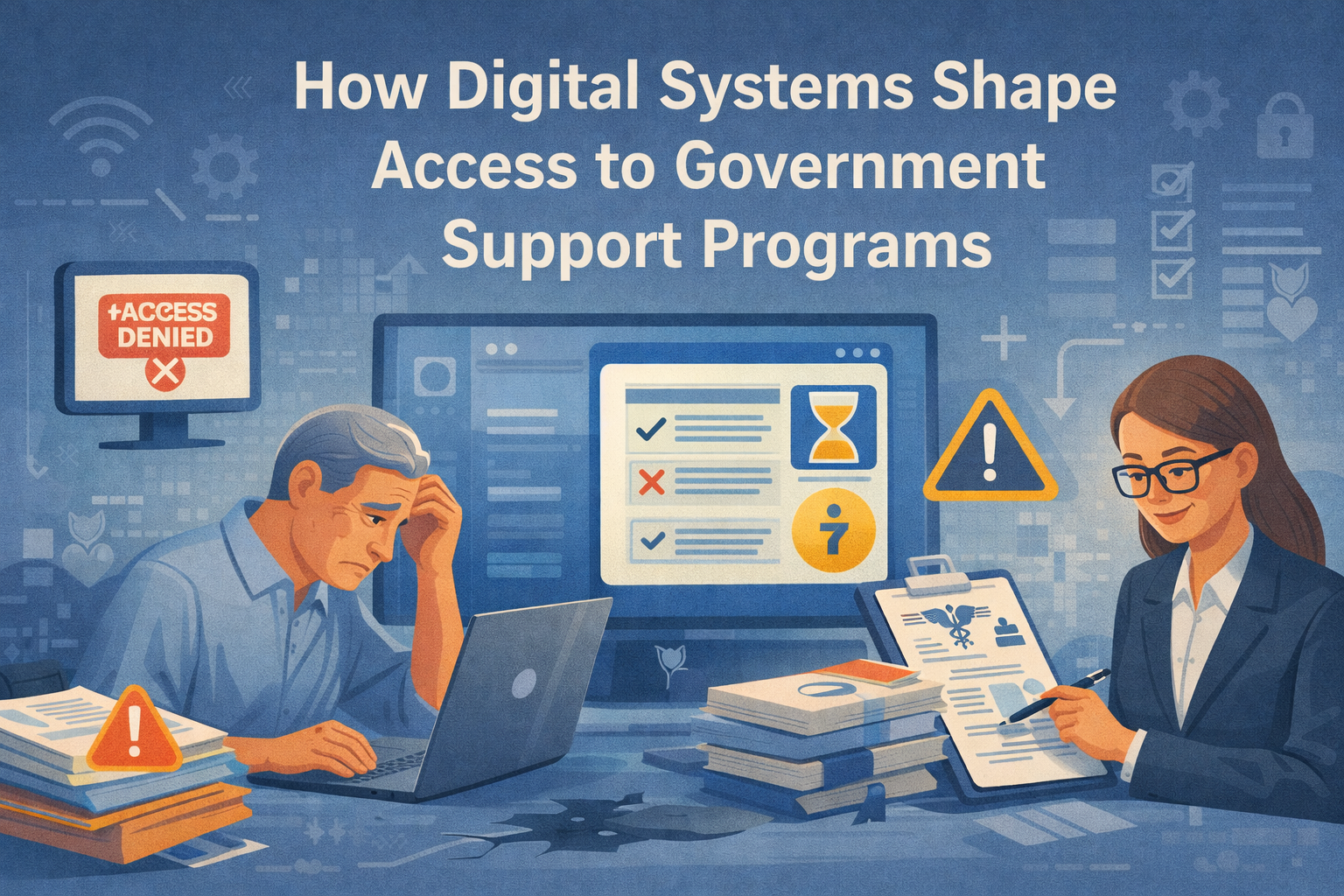
Not all applicants approach these systems with the same tools or capabilities. Chronic illness, cognitive impairment, and mobility issues can limit how long someone can sit at a computer or how easily they can track instructions across multiple screens. Some platforms require repeated logins, document uploads, and status checks that assume consistent digital access. For many people dealing with health challenges, this expectation does not match daily reality.
In addition, system language often prioritizes administrative clarity over human clarity. Medical conditions are reduced to codes, timelines are compressed into drop down menus, and personal explanations are confined to small text fields. These design choices may streamline processing, but they can also strip context from situations where nuance matters. As a result, valid claims can be delayed or denied not because the condition is insufficient, but because the system fails to capture it fully.
Data accuracy and automated decision making
Modern benefit systems rely heavily on automated screening tools that flag inconsistencies or missing information. These tools are efficient, but they lack judgment. If work history dates do not align perfectly or medical visits are listed out of sequence, the system may issue an automatic rejection. There is rarely room for explanation at this stage, which shifts the burden onto the applicant to identify and correct the issue.
This reliance on data accuracy places pressure on applicants to act like administrators rather than patients. Medical records must be organized, employment details must be exact, and responses must match predefined categories. When health conditions interfere with memory or focus, this expectation becomes unrealistic. The system does not account for these limitations, even though they are central to why assistance is being sought in the first place.
Appeals and reviews within digital frameworks
When initial decisions are challenged, the appeals process often remains just as digital as the original application. Requests for reconsideration, evidence uploads, and hearing scheduling frequently occur through the same online portals. This continuity keeps records centralized but also extends the same challenges into later stages. Applicants must continue to meet technical requirements while managing ongoing health issues.
These stages emphasize how deeply technology now influences outcomes. Timelines are tracked automatically, notices are delivered electronically, and missed alerts can result in closed cases. The process rewards those who can monitor systems closely and respond quickly. Without consistent access or assistance, many applicants struggle to keep pace, even when their medical need is clear and documented.
A focused approach by legal advisors can improve outcomes in this stage as well. A social security disability lawyer can prepare supplemental evidence, organize case files for easy review, and ensure that digital submissions follow technical specifications precisely. This additional support reduces errors, mitigates delays, and increases the likelihood that the applicant’s real circumstances are represented accurately.
The broader implications of system driven assistance
The shift toward digital administration reflects a broader trend in public services. Efficiency, scalability, and standardization guide system design, sometimes at the expense of flexibility. While these platforms reduce processing times overall, they can unintentionally exclude individuals whose circumstances do not fit neatly into structured formats. This tension sits at the center of modern public assistance.
Addressing these gaps requires more than better software. It requires recognition that technology is not neutral. The way systems are built reflects assumptions about users, their abilities, and their resources. For government support programs to function fairly, these assumptions must align with the realities of the people they serve. Until then, access will continue to depend not only on eligibility, but on how well someone can operate within a digital framework.
Another important consideration is how digital systems shape long term outcomes. People who struggle to navigate these platforms may experience delayed benefits, lost income, or increased reliance on emergency support. The indirect effects can ripple across personal, social, and economic dimensions. A system that is efficient for administrators may inadvertently create barriers for those who need assistance most, highlighting the ongoing tension between technology and human-centered public services.