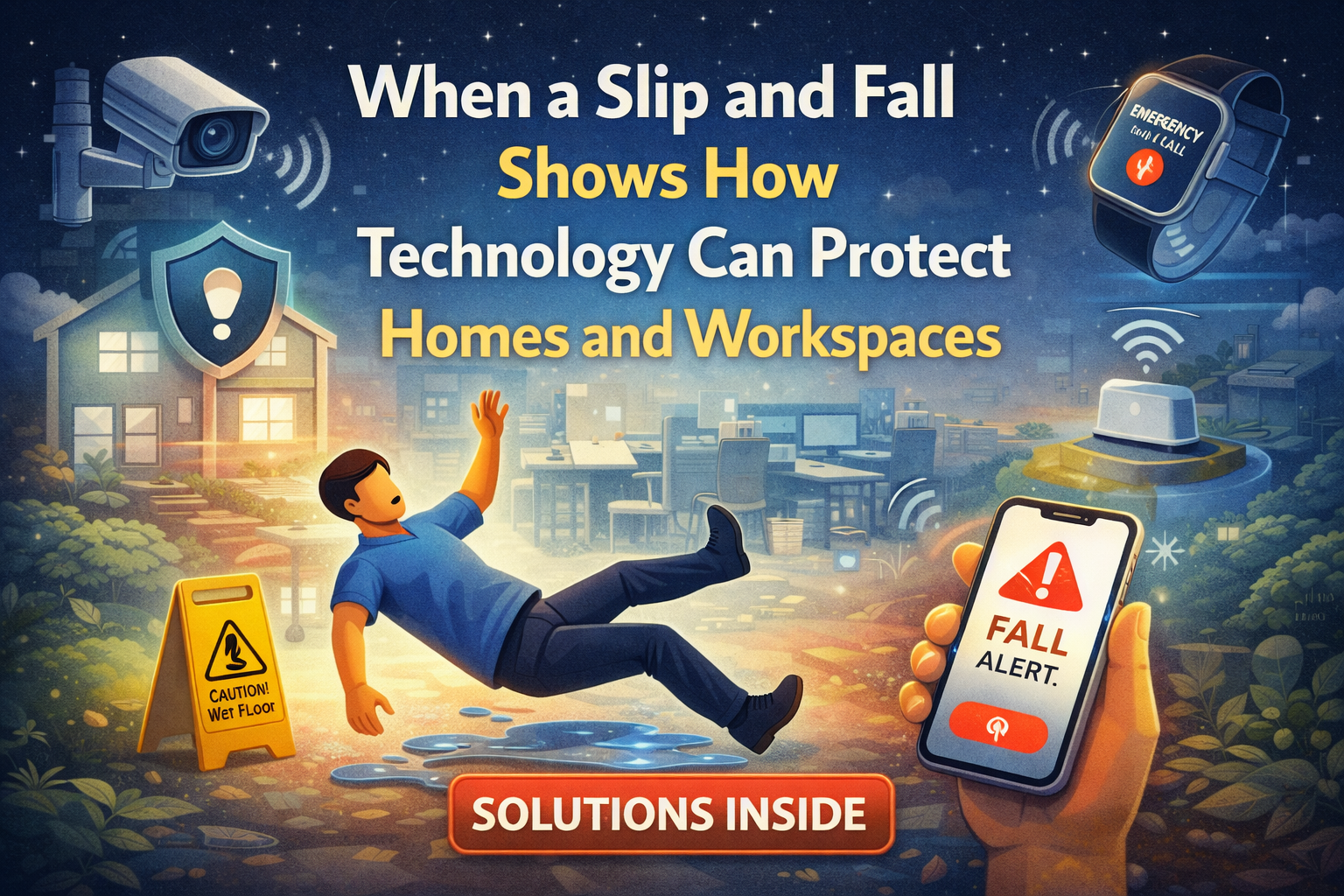
Technology has quietly reshaped the way we protect ourselves and our surroundings, even in seemingly small areas like home and workplace safety. Sensors, smart cameras, and monitoring systems are increasingly becoming standard in modern homes and offices. These tools offer more than convenience—they act as early warnings for hazards that might lead to accidents. For example, alert systems can detect wet floors or uneven surfaces, helping to prevent slip and fall incidents before they happen. The integration of technology ensures that even the most overlooked dangers are brought to attention, creating a safer environment for everyone.
Beyond detection, technology provides practical ways to track and respond to accidents after they occur. Smartphones, wearables, and IoT devices can automatically alert caregivers, family members, or emergency services if a sudden fall or unusual movement is detected. This level of responsiveness not only reduces the risk of severe injuries but also provides peace of mind to homeowners and business managers. In workplaces, integrating technology with safety protocols can reduce liability and improve overall operational efficiency, demonstrating how innovation goes hand in hand with protection.
Recognizing the Risks of Slip and Fall Accidents
According to wardandsmithpersonalinjury.com, slip and fall accidents are a leading cause of injuries in both residential and commercial spaces. Wet floors, cluttered walkways, and uneven surfaces contribute to many of these incidents. While awareness is essential, relying solely on human attention is not enough. Technology helps bridge this gap by offering systems that continuously monitor conditions and warn individuals of potential hazards. Motion sensors, automated floor cleaning alerts, and even predictive analytics can identify risky areas before they result in injury, making safety more proactive than reactive.
Medical and insurance records show that the costs associated with slip and fall accidents are significant. Hospital visits, lost workdays, and liability claims add up quickly, affecting families and businesses alike. Using technology to mitigate these risks reduces both financial and physical strain. From simple floor sensors to comprehensive monitoring systems, adopting these solutions can protect individuals and lower the burden on families and organizations, proving that technology’s value extends far beyond convenience.
How Smart Technology Protects Homes and Workspaces
Smart devices are no longer just about entertainment or connectivity; they now play a crucial role in safety management. Smart flooring, alert mats, and automated lighting systems create a safer environment by reducing the likelihood of slips and falls. For instance, motion-activated lights illuminate hallways and staircases when someone is walking, preventing missteps in dark areas. Similarly, smart mats placed in bathrooms or kitchens can detect wetness and alert occupants, minimizing the risk of injury.
Integration between devices allows for real-time responses to potential hazards. A fall detected by a wearable device can trigger a smart home system to send alerts or even call emergency contacts. In office environments, sensors can monitor employee movement and identify patterns that may indicate hazards. This kind of adaptive technology empowers both homeowners and employers to respond quickly, ensuring safety is maintained without constant human supervision.
Technology in Monitoring and Reporting Accidents
When a slip and fall does occur, technology provides tools to document and report the incident accurately. Security cameras, wearable devices, and environmental sensors can provide precise data on how an accident happened. This information is invaluable for medical professionals, insurance claims, and workplace safety evaluations. Detailed reports reduce misunderstandings and allow for faster, more effective responses to incidents, ensuring that injuries are treated promptly and lessons are applied to prevent future accidents.
Beyond immediate reporting, long-term monitoring systems offer insights into recurring hazards. Data collected over time can reveal areas that require redesign or maintenance, such as slippery floors, poorly lit spaces, or high-traffic areas prone to accidents. This analytical approach ensures that corrective actions are informed by actual incidents rather than assumptions, making safety improvements more reliable and impactful. Technology thus becomes a partner in both prevention and accountability.
Combining Human Awareness with Digital Tools
While technology offers remarkable tools for preventing slip and fall injuries, human awareness remains essential. Digital systems are most effective when paired with conscientious behavior, such as proper footwear, attentive movement, and clear signage. Employees and family members can use technology as an extra layer of protection rather than a substitute for caution. Training and education can enhance this synergy, making the combination of human vigilance and smart systems a formidable defense against accidents.
Regular maintenance and updates also play a critical role. Software updates, sensor calibration, and periodic testing ensure that safety systems function as intended. By maintaining both human and technological vigilance, households and workplaces can create an environment where accidents are minimized and rapid responses are possible. This dual approach reinforces the notion that innovation and responsibility work best when combined, making spaces safer for everyone.
Protecting People and Property with Modern Technology
Integrating technology into safety practices offers tangible benefits for both people and property. Advanced monitoring systems not only detect hazards but also record and analyze data for long-term improvements. Homeowners can prevent costly damage from accidents like water spills or uneven flooring, while businesses can reduce liability and maintain a safer workspace for employees and clients. Beyond financial benefits, these systems foster confidence and peace of mind, knowing that safety is actively supported by modern innovation.
As technology continues to evolve, the potential for creating even safer environments expands. Smart devices, real-time alerts, and predictive analytics allow for proactive management of risks that previously went unnoticed. Combining these tools with thoughtful human oversight ensures that homes and workspaces are not only protected but also optimized for well-being. Ultimately, leveraging technology to guard against slip and fall accidents demonstrates how practical innovation can make everyday life safer, smarter, and more secure.