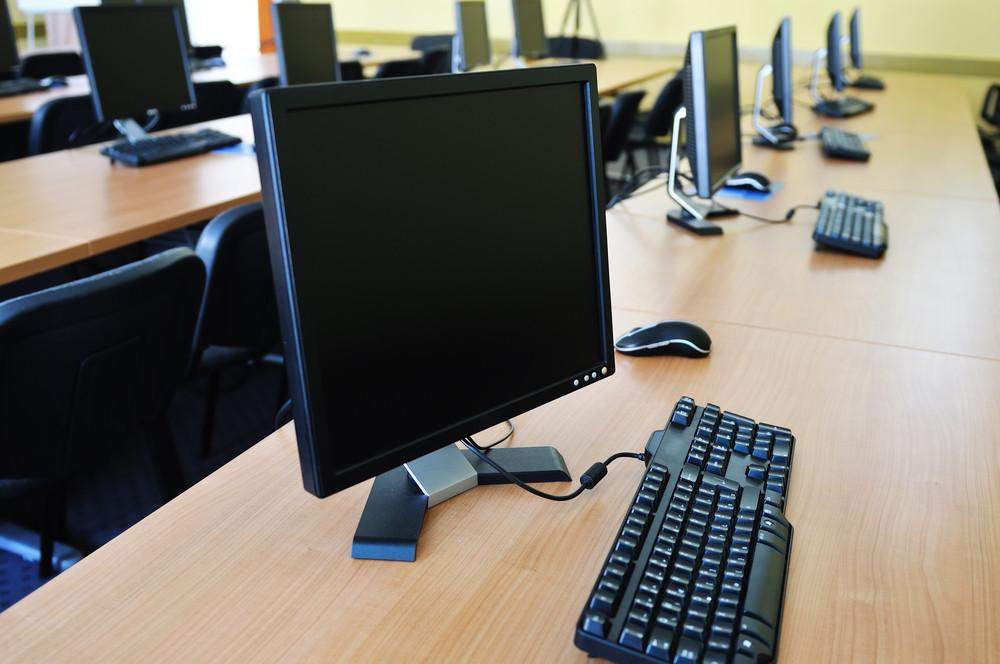
Technology is changing how students learn, communicate, and interact with educational materials. From interactive whiteboards to educational software and digital learning platforms, modern classrooms are incorporating tools that make lessons more engaging and accessible. Private schools are finding ways to integrate these resources while maintaining personalized instruction and supporting different learning needs. When used thoughtfully, technology can help educators create more interactive lessons and prepare students for an increasingly digital world. In this article, we’ll explore how private schools are bringing technology into the classroom and the benefits these tools can offer students and teachers.
Introducing Technology at an Early Age
Early childhood education provides an important opportunity to introduce foundational learning skills. Technology can support this process through age-appropriate educational games, interactive activities, and digital resources that encourage curiosity. For younger students, these tools can introduce basic concepts involving numbers, letters, shapes, and problem-solving while complementing hands-on classroom experiences.
According to UNICEF, 80% of a human brain’s structure takes shape up to age three. This highlights the importance of providing stimulating learning environments during early childhood. Private schools can incorporate carefully selected educational technology alongside traditional activities, giving young learners opportunities to explore new concepts through different formats. Teachers can also guide technology use to make sure digital activities remain appropriate for students’ developmental stages.
Creating More Interactive Learning Experiences
One way private schools are incorporating technology is by making classroom lessons more interactive. Smartboards, tablets, educational applications, and digital presentations allow teachers to introduce information through videos, demonstrations, and hands-on activities. These resources can help students engage with subjects in ways that extend beyond traditional textbooks and worksheets.
For example, science teachers may use digital simulations to demonstrate concepts that are difficult to recreate in a classroom. History lessons can incorporate virtual tours, videos, and interactive timelines to help students better understand historical events. These experiences give students additional ways to explore information while encouraging participation and curiosity.
Supporting Personalized Instruction
Technology also gives educators more opportunities to adapt lessons to individual learning needs. Digital learning platforms can provide students with activities based on their current skill levels, allowing them to practice challenging subjects or review concepts they have already studied. Teachers can use assessment tools and student progress reports to identify areas where additional instruction may be helpful.
Private schools can be particularly well-positioned to combine these resources with individualized attention. According to ThoughtCo, small class sizes with student-to-teacher ratios of 12:1 are fairly common in private schools. Smaller classroom environments can give teachers more opportunities to observe student progress, provide direct feedback, and determine how technology can support each learner’s educational goals.
Preparing Students for a Digital Future
Digital literacy is becoming an important part of education because technology is used across many aspects of modern life. Students benefit from learning how to navigate digital platforms, evaluate online information, communicate appropriately, and use different software tools. Private schools can introduce these skills through classroom projects, research assignments, coding activities, and collaborative digital presentations.
These experiences also encourage students to become responsible technology users. Teachers can discuss online safety, digital citizenship, privacy, and appropriate communication. By introducing these concepts early, schools can help students understand that technology is not simply a source of entertainment but also a resource for learning, creativity, and problem-solving.
Balancing Digital Tools With Traditional Teaching
Although technology offers many educational opportunities, it works best when combined with effective teaching practices. Reading physical books, participating in classroom discussions, completing hands-on projects, and collaborating with classmates remain valuable parts of the learning experience. Private schools can balance digital resources with these activities to create well-rounded educational environments.
Private schools account for 24% of the nation’s schools and enroll 10% of all PK-12 students. Their role in education makes thoughtful technology integration an important consideration for supporting diverse learning environments. Schools can evaluate which tools provide meaningful educational benefits rather than adopting technology simply because it is available.
Private schools are bringing technology into the classroom through interactive lessons, personalized learning resources, and opportunities to develop digital literacy. When thoughtfully incorporated, these tools can complement traditional instruction and help students build skills they will use throughout their education and beyond. By balancing modern resources with personal guidance and hands-on experiences, private schools can create engaging classrooms that support academic growth and prepare students for an increasingly technology-driven future.