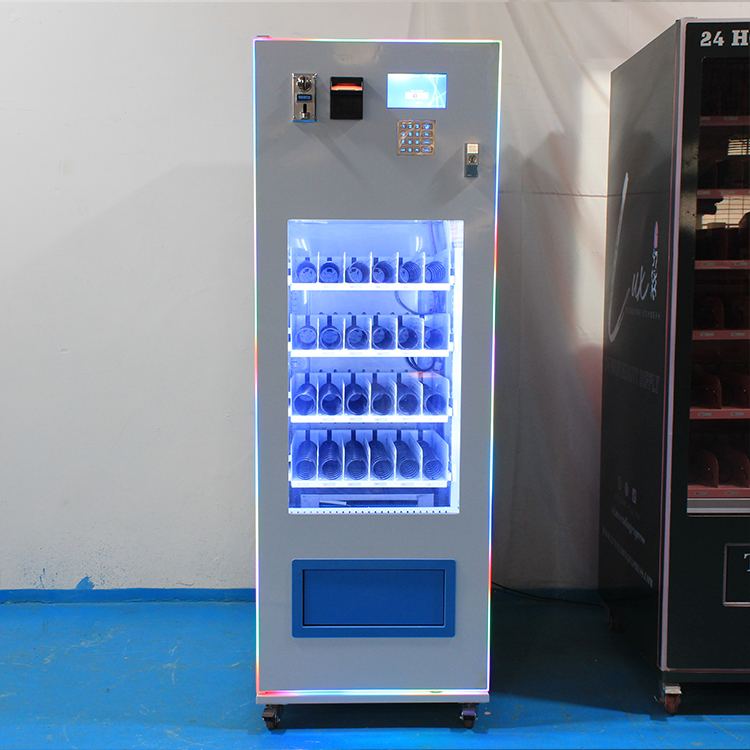
Over the past decade, the global retail landscape has undergone a profound transformation driven by digitalization, automation, and changing consumer behavior. Among the many innovations shaping this transition, vending machines have re-emerged as a scalable and technology-driven retail solution.
Once perceived as simple coin-operated snack dispensers, modern vending machines now integrate advanced technologies such as cashless payments, IoT connectivity, and data analytics. As a result, they are no longer just retail tools—they are becoming micro-retail hubs capable of delivering efficient, unmanned, and data-driven commerce.
1. Market Drivers Behind the Growth of Vending Machines
The rapid growth of the vending machine industry is not coincidental but driven by several structural trends in the global economy.
1.1 Shift Toward Convenience-Oriented Consumption
Consumer expectations have shifted significantly toward speed, accessibility, and contactless experiences. Vending machines operate 24/7, require no human interaction, and eliminate queues—making them highly compatible with modern urban lifestyles.
This shift accelerated further during the pandemic, reinforcing demand for unmanned retail solutions.
1.2 Rising Labor Costs and Operational Efficiency
Traditional retail models are increasingly challenged by rising labor costs and operational complexity. Vending machines address this issue by:
- Reducing dependency on staff
- Lowering overhead costs
- Standardizing operations
This makes them particularly attractive for small and medium-sized investors seeking lean and efficient business models.
1.3 Flexibility in Deployment
Unlike brick-and-mortar stores, vending machines require minimal space and can be deployed in a wide range of environments:
- Transportation hubs (airports, metro stations)
- Commercial centers and malls
- Office buildings and campuses
- Hospitals and residential areas
This flexibility allows operators to adopt a location-based revenue strategy, optimizing performance based on foot traffic.
2. Diversification of Vending Machine Categories
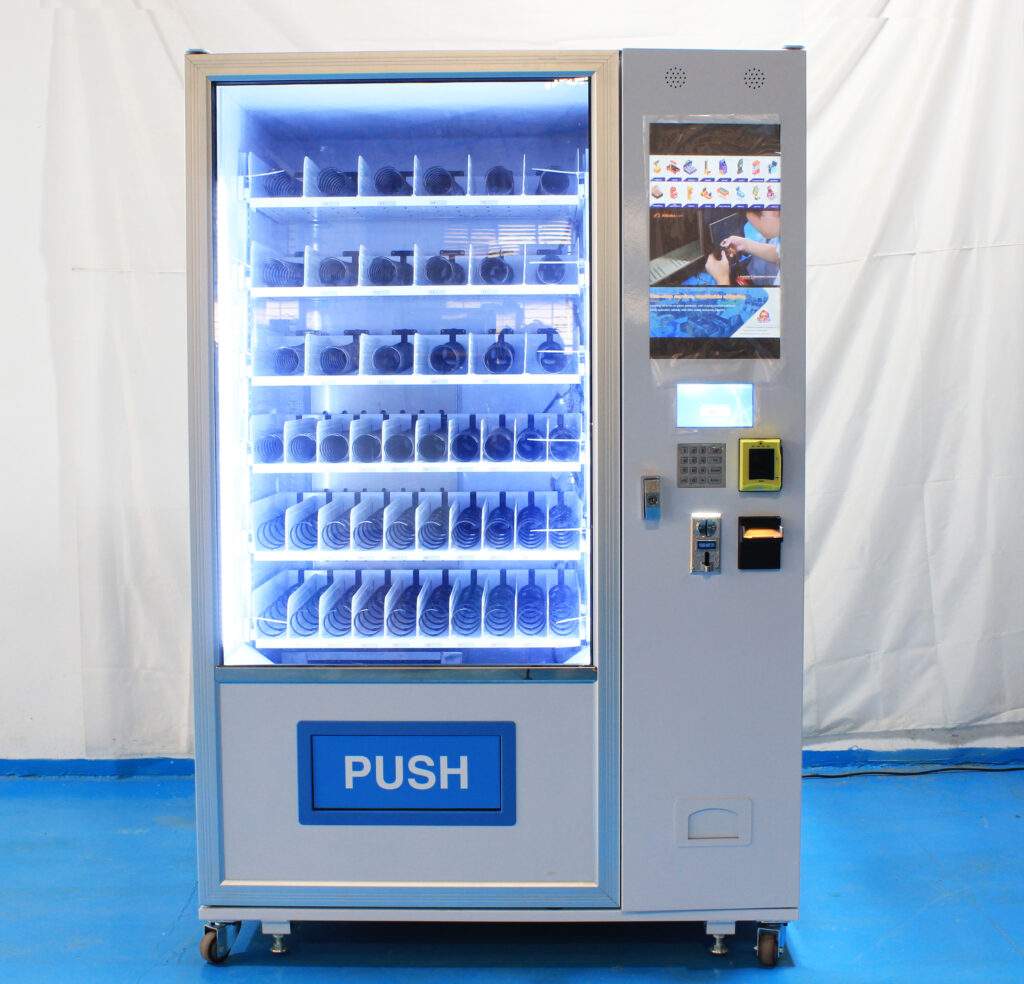
The vending machine industry has diversified significantly, expanding beyond traditional product offerings.
2.1 Traditional Machines
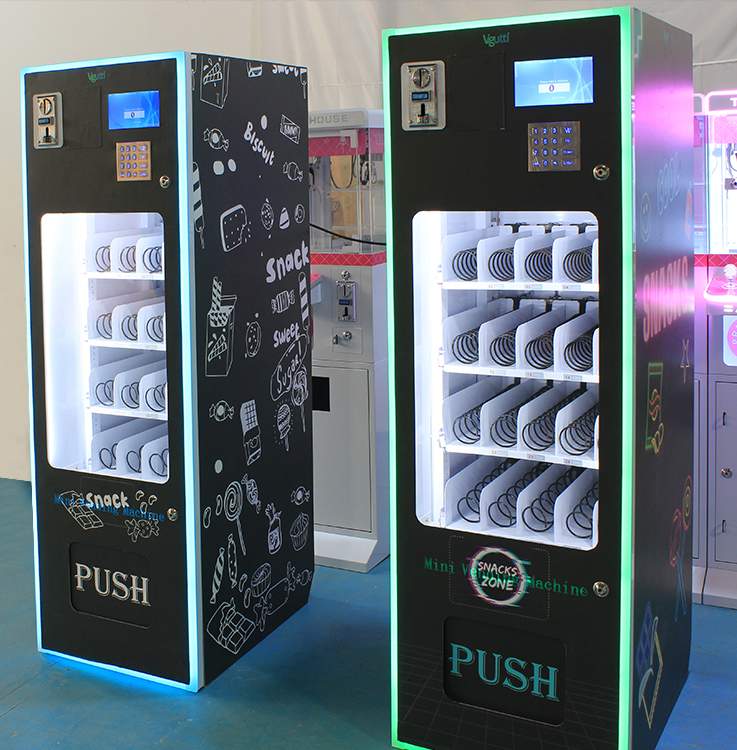
- Snacks and beverages
- Bottled drinks and packaged foods
2.2 Fresh and Smart Food Machines
- Refrigerated meals (salads, sandwiches)
- Hot food vending (pizza, noodles, rice meals)
These machines address growing demand for fresh, convenient, and healthier food options.
2.3 Specialized and High-Margin Machines
- Coffee vending machines
- Ice cream machines
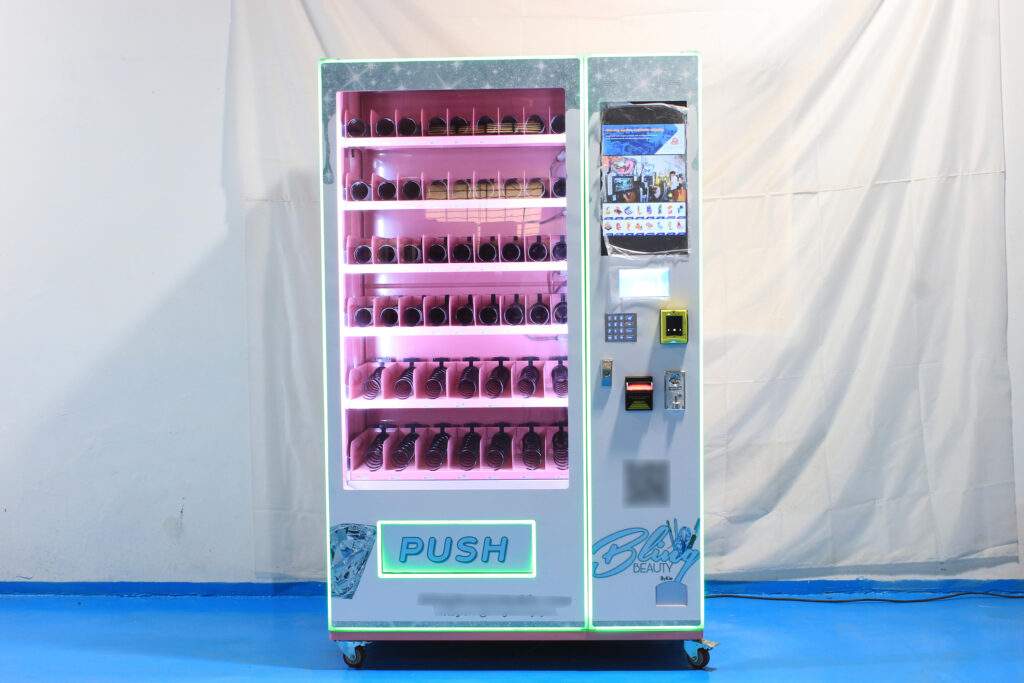
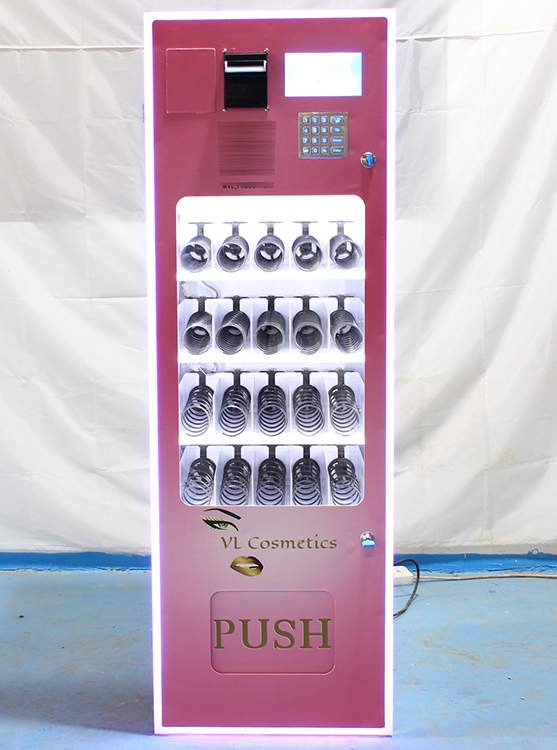
- Cosmetic and personal care vending
- Electronics and accessories
These categories often provide higher profit margins and target niche markets.
2.4 Entertainment-Based Machines
Coin-operated machines such as claw machines, arcade games, and interactive equipment also fall within the broader vending ecosystem. These machines monetize experience and engagement, rather than just product sales.
3. Investment Structure and Financial Viability
One of the most compelling aspects of the vending machine business is its relatively accessible investment model.
3.1 Initial Investment
The cost varies depending on technology level and product category:
- Basic vending machines: $1,000 – $3,000
- Smart vending machines: $3,000 – $10,000+
- Specialized machines (e.g., hot food): higher investment
3.2 Operating Costs
Key operational expenses include:
- Inventory replenishment
- Location rental or commission
- Maintenance and technical servicing
Compared to traditional retail, these costs remain relatively low and predictable.
3.3 Revenue and ROI
Revenue depends primarily on:
- Location quality
- Product selection
- Pricing strategy
A well-positioned vending machine can generate stable daily cash flow, with many operators achieving a return on investment within 6 to 18 months.
However, profitability is highly dependent on operational optimization and data-driven decision-making.
4. Technological Advancements Reshaping the Industry
Technology is at the core of the vending machine industry’s transformation.
Key innovations include:
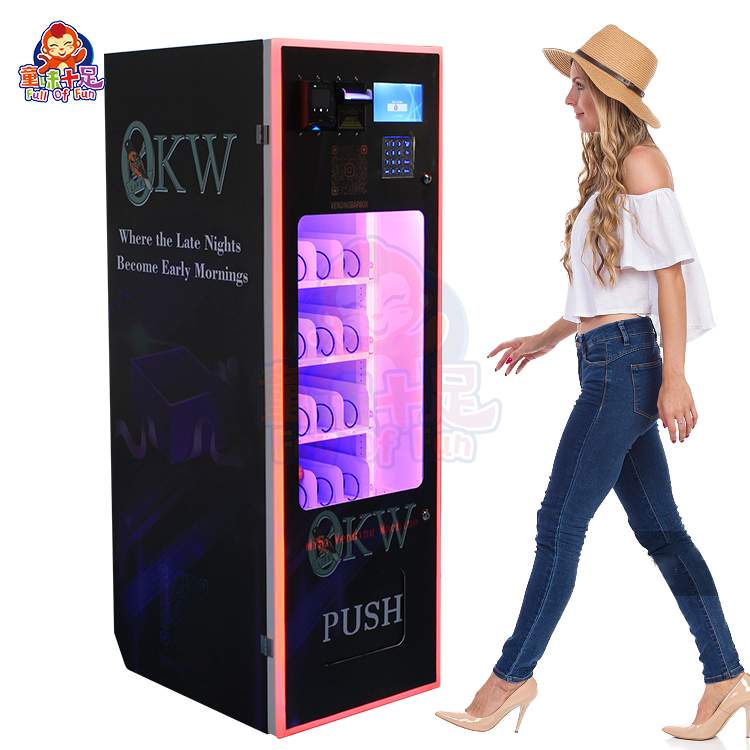
- Cashless payment systems (QR codes, NFC, mobile wallets)
- IoT-based remote monitoring
- Real-time inventory tracking
- AI-powered product recommendations
- Data analytics for sales optimization
These technologies enable operators to transition from passive management to intelligent, data-driven operations.
5. Challenges and Strategic Considerations
Despite its advantages, the vending machine business is not without risks.
Key challenges include:
- Location selection remains the most critical success factor
- Consumer preferences vary by region and require adaptation
- Regular maintenance is essential to avoid downtime
- Increasing competition in mature markets
Therefore, success in this industry depends not only on equipment but also on:
strategic planning, location analysis, and continuous optimization
6. Conclusion: From Machines to Micro-Retail Ecosystems
Vending machines are no longer just automated sellers—they are evolving into scalable micro-retail ecosystems that combine convenience, technology, and efficiency.
For entrepreneurs seeking:
- Low entry barriers
- Flexible deployment
- Scalable expansion potential
the vending machine industry presents a compelling opportunity.